

In a world overflowing with ideas and innovation, the concept of “Creative Impact” stands out like a unicorn in a field of horses. It’s not just about flashy designs or catchy slogans; it’s about the power of creativity to inspire change, spark conversations, and even make the mundane feel magical. Imagine a world where every idea has the potential to transform lives—sounds dreamy, right?
Understanding Creative Impact
Creative impact involves the ability to effect change through innovative ideas. It transcends mere aesthetics and evokes emotional and intellectual responses.
Definition of Creative Impact
Creative impact refers to the influence creativity has on thoughts, behaviors, and social dynamics. It encompasses the capacity of creative solutions to address complex issues and inspire action. Powerful narratives, compelling visuals, and engaging designs contribute to this influence. The outcomes often lead to transformative experiences, shaping perspectives and fostering connections among individuals.
Importance of Creative Impact in Various Fields
Creative impact holds crucial significance across multiple domains. In education, innovative teaching strategies enhance learning experiences and motivate students. Businesses leverage creativity to differentiate products, improve branding, and boost customer engagement. Additionally, in social change movements, creative campaigns raise awareness and mobilize communities for action. The arts and culture sector also thrives on creative impact, fostering dialogue and unity among diverse groups. Thus, the far-reaching implications of creative impact reveal its essential role in societal advancement.
Examples of Creative Impact
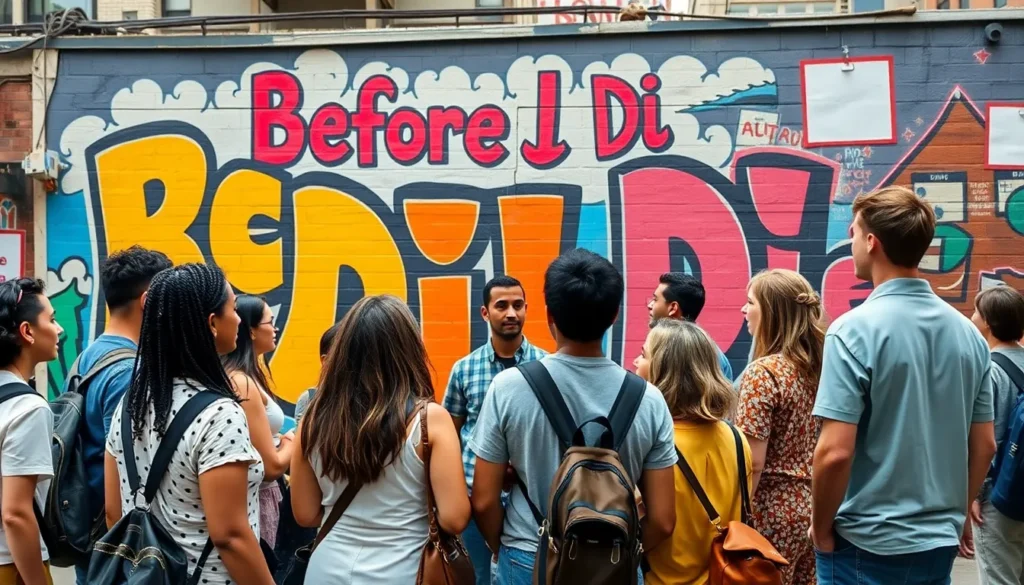
Creative impact manifests in varied industries, showcasing its diverse applications and transformative potential. Both art and technology exemplify how innovative ideas can enact change.
Case Studies in Art and Design
Several art projects create significant social commentary. For instance, the “Fearless Girl” statue sparked discussions on gender diversity in corporate leadership. Artists often convey powerful messages through visual art. The “HIV Positive” campaign leveraged graphic design to challenge stigmas surrounding HIV. Working with communities, muralists can foster unity and address local issues. Public installations like the “Before I Die” wall invite participation and reflection on mortality, promoting dialogue.
Innovations in Technology and Business
Technological advancements frequently drive creative impact in business. Companies like Apple and Tesla redefine user experience through innovative design. They prioritize functionality while embracing aesthetics. Startups like AirBnB revolutionize hospitality by blending technology with social interaction, fostering community. Innovative marketing campaigns, such as Nike’s “Just Do It,” inspire emotional connections and galvanize consumer loyalty. These examples demonstrate how creativity transforms industries and influences consumer behavior effectively.
Measuring Creative Impact
Measuring creative impact involves both qualitative and quantitative methods that capture its varied dimensions. Organizations utilize these approaches to assess effectiveness, engagement, and transformation driven by creative initiatives.
Qualitative Methods
Qualitative methods provide insights into emotional responses and behavioral changes. Techniques like interviews and focus groups gather subjective data, revealing how creativity influences thoughts and perceptions. Observational studies offer a different perspective, allowing organizations to witness real-time interactions and reactions. Additionally, case studies showcase specific examples of creative impact, highlighting narratives that resonate with audiences. These methods focus on understanding deeper meanings behind creativity rather than mere numbers.
Quantitative Methods
Quantitative methods offer statistical data that quantifies creative impact. Surveys and questionnaires measure audience engagement levels, providing numeric values for analysis. Analytics tools track metrics like website visits, conversions, and social media interactions, illustrating the effectiveness of creative campaigns. A/B testing plays a significant role, offering insights into which creative strategies perform best. Collectively, these methods utilize statistical techniques to evaluate the measurable outcomes of creative initiatives.
Challenges in Evaluating Creative Impact
Evaluating creative impact presents several challenges that can complicate the assessment process.
Subjectivity in Assessment
Subjectivity often influences evaluations of creative projects. This subjectivity arises from personal preferences, cultural backgrounds, and unique experiences that shape individual interpretations of creativity. Different stakeholders, such as audiences, artists, and critics, may hold varying opinions on what constitutes impactful creativity. This discrepancy can lead to inconsistent evaluations across different contexts. Therefore, establishing universal criteria for assessment proves difficult. Developing objective benchmarks remains crucial for providing clarity in evaluations.
Access to Resources
Access to resources significantly affects the evaluation of creative impact. Organizations with robust funding can implement advanced analytics tools and hire experts for comprehensive assessments. Conversely, smaller entities might lack necessary tools and personnel, limiting their ability to measure outcomes effectively. The disparity in resource availability can lead to biased conclusions regarding creative initiatives. Without adequate resources, organizations struggle to gather insightful data. Enhancing access to evaluation tools ensures more accurate assessments of creative initiatives’ impacts across diverse sectors.
Future of Creative Impact
Creative impact continues to evolve rapidly, shaping how individuals and organizations engage with diverse audiences. Significant trends are emerging that define the future landscape of creativity.
Trends to Watch
Digital storytelling transforms narratives, enabling brands to create immersive experiences. Increased focus on sustainability drives creative solutions that address environmental concerns. Collaborations between artists and technologists lead to innovative projects that blend art, science, and social activism. Advancements in artificial intelligence allow for personalized and tailored creative experiences, enhancing user engagement. Lastly, the rise of social media amplifies creative voices, making platforms essential for sharing impactful stories.
Potential Developments
Emerging technologies will further influence creative impact, offering new mediums for expression. Virtual reality and augmented reality could create environments that inspire unique experiences. As data analytics improve, organizations may better understand audience behavior, leading to targeted and effective strategies. Innovations in accessibility will ensure that creative initiatives reach wider audiences, fostering inclusivity. Additionally, the integration of creativity in education may enhance learning outcomes, preparing future generations to tackle complex challenges through innovative thinking.
Creative impact is a powerful force that shapes experiences and influences change across various domains. Its ability to evoke emotions and spark conversations is essential in today’s world. By embracing creativity, individuals and organizations can foster innovation that addresses complex challenges and enhances societal well-being.
As trends evolve and technology advances, the potential for creative impact continues to grow. The future promises exciting opportunities for collaboration and engagement that can redefine how creativity is perceived and utilized. Ultimately, recognizing the importance of creative impact can lead to a more connected and transformative society.