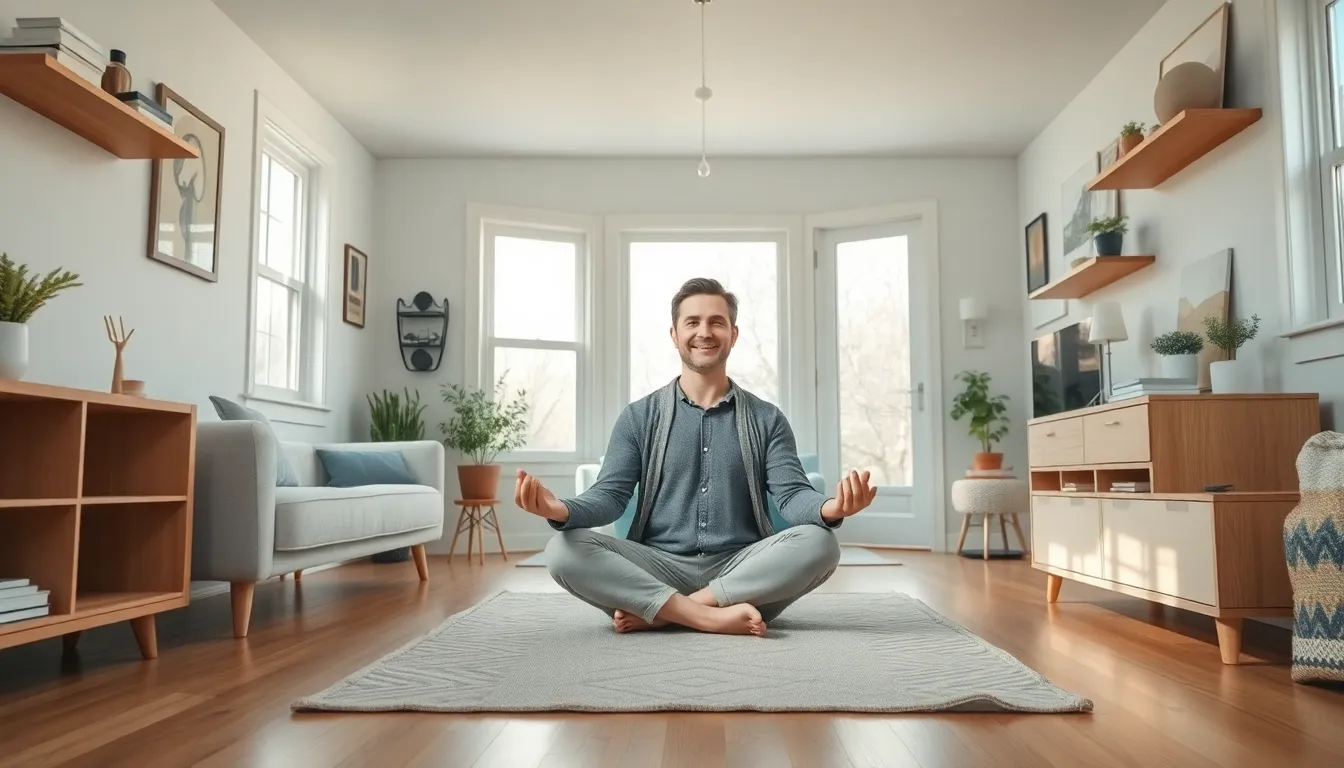

In a world overflowing with stuff, living a minimalist life might just be the ultimate rebellion. Imagine trading in clutter for clarity, chaos for calm. Minimalism isn’t just about having fewer things; it’s about making space for what truly matters. It’s like a breath of fresh air in a stuffy room—invigorating and oh-so-liberating.
Understanding Minimalism
Minimalism represents a lifestyle choice that counters clutter and chaos, creating space for what truly matters. Embracing minimalism cultivates clarity and freedom.
What Is Minimalism?
Minimalism emphasizes intentional living through simplifying possessions and activities. Focusing on essentials allows individuals to detach from materialism. Essential items serve a purpose, promoting functionality and joy. This philosophy extends beyond physical possessions to mental clarity and emotional well-being. A minimalist approach encourages individuals to prioritize experiences over things, leading to a more fulfilling life.
Benefits of a Minimalist Lifestyle
Living a minimalist lifestyle offers numerous advantages. Enhanced focus emerges as distractions decrease, improving productivity and creativity. Stress reduction frequently occurs due to a less cluttered environment. Financial savings manifest as individuals buy less, allowing for more mindful spending. Relationships often strengthen when energy shifts toward meaningful connections rather than physical items. Overall, minimalism fosters a sense of peace and satisfaction, enriching everyday life.
Getting Started with Minimalism

Starting a minimalist lifestyle involves reflection and action. It’s essential to clearly understand one’s current habits and possessions.
Assessing Your Current Lifestyle
Individuals need to evaluate their daily routines and materials. Identify items that contribute to chaos or distraction. Consider journaling thoughts to uncover what truly matters. Engaging in this process helps highlight areas of life needing simplification. A visual inventory of belongings can reveal excess. Analyze emotional attachments to specific possessions, as this can inform what to let go. Recognize that progress begins with awareness.
Setting Minimalist Goals
Developing clear goals enhances the journey toward minimalism. Create specific, measurable objectives tailored to lifestyle changes. Goals might include decluttering a room each week or reducing non-essential purchases. Establish timelines to maintain motivation and accountability. Prioritize experiences over possessions to foster meaningful connections. Visualize the desired outcome, reinforcing the emotional benefits of a minimalist existence. Attaching intent to each goal can streamline focus on essential aspects of life.
Decluttering Your Space
Decluttering serves as a critical step in adopting a minimalist lifestyle. This process creates a harmonious environment that enhances focus, reduces stress, and fosters emotional well-being.
The 5-Second Rule
The 5-Second Rule enables quick decision-making about items. If an individual hesitates for longer than five seconds when considering whether to keep something, that item likely holds less value. This swift approach minimizes overthinking and promotes immediate action. By applying this rule consistently, individuals streamline their possessions and focus on essentials.
Strategies for Effective Decluttering
Effective decluttering relies on structured strategies. First, tackle one space at a time, allowing for manageable progress. Room-by-room or drawer-by-drawer methods prevent overwhelm. Second, categorize items into keep, donate, and discard piles, simplifying decisions about each piece. Third, involve a friend for encouragement and accountability. This support boosts motivation to let go of unnecessary belongings. Lastly, set a timeline for the decluttering process to ensure consistent progress and maintain a sense of urgency.
Adopting Minimalist Habits
Adopting minimalist habits plays a crucial role in simplifying life. Each habit reinforces the practice of minimalism and enhances overall well-being.
Mindfulness in Daily Life
Mindfulness encourages awareness of thoughts and actions. Practicing mindfulness in daily activities fosters intention behind choices. Individuals benefit from focusing on what truly matters rather than distractions. Engaging in meditation or mindful breathing can promote clarity, enabling better decision-making. Being present enhances appreciation for experiences, making relationships more meaningful.
Simplifying Your Commitments
Simplifying commitments can lead to a more fulfilling life. Individuals benefit from assessing their obligations and prioritizing essential activities. Saying no to non-essential tasks creates space for what brings joy and purpose. Evaluating commitments regularly helps maintain balance and prevents overwhelming schedules. Finding harmony between responsibilities and personal interests strengthens emotional well-being and promotes satisfaction.
Maintaining a Minimalist Life
Maintaining a minimalist lifestyle requires ongoing commitment and reflection. By regularly evaluating possessions and mindset, individuals reinforce their dedication to simplicity.
Regularly Revisiting Your Belongings
Revisiting belongings promotes mindful consumption. Assessing items every few months helps identify unnecessary items that may have accumulated. Remove anything that no longer serves a purpose, allowing space for essentials. Establish routines for seasonal decluttering, focusing on categories like clothing, books, or home decor. Invite a friend for a fresh perspective during evaluations. Consider these moments as opportunities to reconnect with what truly matters, creating a curated environment that reflects values.
Creating a Minimalist Mindset
Creating a minimalist mindset fosters intentional living. Begin by prioritizing experiences over possessions, which enhances fulfillment. Practicing mindfulness supports awareness of choices, leading to more meaningful engagements. Evaluate commitments regularly, identifying activities that align with personal values. Choose to say no to non-essential obligations, creating room for joy and purpose. Incorporate daily gratitude practices that highlight simplicity and appreciation for what one has. Embrace the philosophy of ‘less is more’ to cultivate contentment, focusing on quality rather than quantity in all aspects of life.
Embracing a minimalist lifestyle offers a path to clarity and fulfillment. By prioritizing what truly matters individuals can cultivate peace and satisfaction in their daily lives. This intentional approach not only reduces clutter but also enhances mental and emotional well-being.
As they simplify their possessions and commitments they open themselves to meaningful experiences and deeper connections. The journey towards minimalism is ongoing and requires regular reflection and adjustment.
With each step taken towards a more minimalist life individuals can discover the profound joy that comes from living with less and appreciating more.