

In a world overflowing with stuff, the idea of minimalist living might sound like a breath of fresh air—or maybe a deep, cleansing sigh. Imagine a life where clutter doesn’t rule the roost, and every item has a purpose. Minimalism isn’t just about having fewer things; it’s about making space for what truly matters.
From tiny homes that challenge the notion of square footage to decluttered spaces that make Marie Kondo weep tears of joy, minimalist living examples abound. This lifestyle isn’t just chic; it’s a clever way to reclaim time, energy, and even sanity. Who wouldn’t want to spend less time cleaning and more time enjoying life? Dive into the world of minimalism and discover how simplicity can lead to a happier, more fulfilling existence.
Understanding Minimalist Living
Minimalist living emphasizes simplicity and intentionality in daily life. Reducing possessions creates space for experiences and relationships that matter most. This lifestyle encourages individuals to evaluate what truly enriches their lives, leading to more fulfilling choices.
Minimalism often manifests in various ways, including decluttered homes and mindful consumption habits. Tiny homes represent one of the most visible examples, showcasing efficient use of space while promoting a smaller environmental footprint. Living in smaller spaces requires careful consideration of belongings, inspiring individuals to prioritize needs over wants.
A significant benefit of minimalist living includes enhanced mental clarity. When distractions decrease, focus on personal goals improves. Energy levels often increase, enabling individuals to invest in meaningful activities. Embracing minimalism can also lead to stronger connections with family and friends, as less time spent managing possessions frees up time for relationships.
Minimalist living also supports sustainable practices. Choosing quality over quantity helps reduce waste and environmental impact, fostering a sense of responsibility toward the planet. Individuals who adopt this lifestyle often discover a newfound appreciation for the simplicity of everyday moments.
Minimalism serves as a transformative approach towards living. By focusing on what truly matters, individuals gain control over their lives. This focus promotes happiness, mental well-being, and reduces stress.
Benefits of Minimalist Living
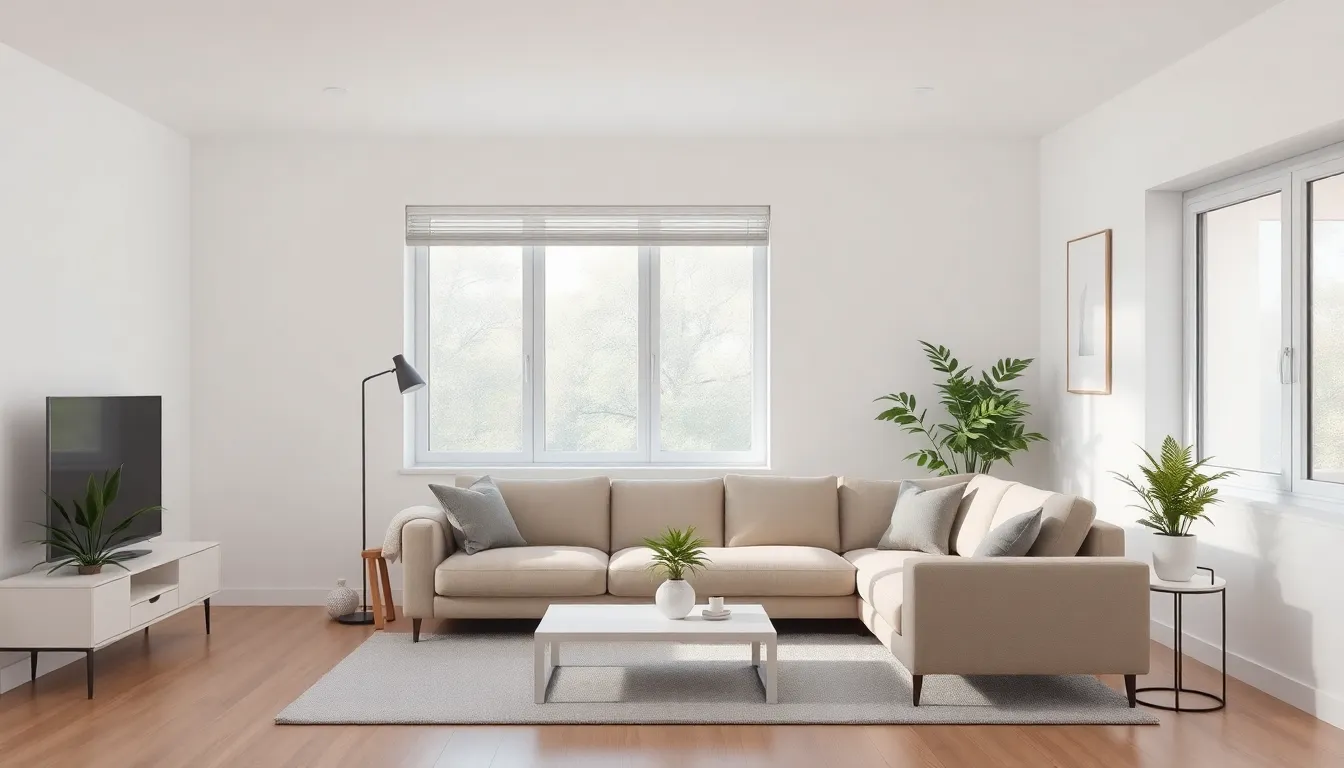
Minimalist living offers numerous advantages that enhance daily life. Embracing simplicity creates space for more meaningful experiences and less chaos.
Financial Savings
Financial savings serve as a significant benefit of minimalism. Individuals often spend less when they prioritize quality over quantity. Budgeting becomes easier as fewer purchases lead to lower expenses. Lower costs on items such as clothing and decor free up funds. This shift allows for savings or investments in more fulfilling experiences. Minimalism encourages better financial decisions, reducing debt and anxiety over finances. Consequently, financial stability emerges as a natural outcome of embracing a minimalist lifestyle.
Reduced Stress
Reduced stress represents another compelling advantage of minimalist living. Clutter often overwhelms individuals, creating a constant sense of chaos. A decluttered space promotes tranquility and focus. Simplifying one’s environment eliminates distractions, enabling improved productivity and enhanced mental clarity. Relationships tend to flourish in a peaceful atmosphere, as emotional energy shifts toward meaningful interactions. Prioritizing essential possessions further cultivates a sense of freedom and control. Overall, embracing minimalism significantly lessens stress and fosters a more serene way of life.
Minimalist Living Examples
Minimalist living manifests in diverse ways, often centered on simplicity and intentional choices. Here are notable examples that illustrate this lifestyle.
Tiny Houses
Tiny houses symbolize efficient living and space utilization. Ranging from 100 to 400 square feet, these homes emphasize practicality over excess. Their compact nature often includes multi-functional furniture, promoting a clutter-free environment. Many individuals find that living in a tiny house reduces maintenance costs and energy consumption significantly. The trend towards tiny living also encourages closer connections with nature and offers mobility for those seeking adventure.
Capsule Wardrobes
Capsule wardrobes streamline clothing choices by focusing on versatility. This concept typically includes 30 to 40 curated pieces, ensuring every item works together harmoniously. Wearing a smaller selection of clothes simplifies daily decision-making, saving time and mental energy. Individuals appreciate how capsule wardrobes lead to reduced spending on fashion and promote thoughtful purchases. The practice fosters a sense of creativity, allowing for personal style expression without the burden of excess.
Decluttered Spaces
Decluttered spaces represent tranquility and freedom from distraction. Aiming for open spaces and minimal furnishings fosters a serene atmosphere. Practicing decluttering often starts with a systematic approach, focusing on essential items that truly add value. Many people experience mental clarity and increased productivity in these environments. Creating a decluttered space provides opportunities for meaningful connections and enhances overall well-being.
Tips for Embracing Minimalism
Embracing minimalism involves practical strategies that help individuals simplify their lives. Below are valuable tips to facilitate this transition.
Start Small
Beginning the minimalist journey can feel overwhelming. Focus on one area of your home, such as a closet or a single room. Decluttering small spaces provides an immediate sense of accomplishment. Regularly remove items that no longer serve a purpose, favoring a gradual approach to let go of possessions. Consider setting a timer for 15 minutes daily to tackle decluttering tasks steadily. Small consistent actions lead to significant changes, creating a more organized and peaceful environment over time.
Prioritize Quality Over Quantity
Choosing quality over quantity transforms consumption habits. Invest in durable items instead of numerous lower-quality products. This approach reduces clutter while enhancing functionality. Prioritizing a few high-quality possessions encourages mindful purchases that truly add value to daily life. Consider the longevity of an item; opting for well-made goods often translates into savings in the long run. Curating belongings based on their function and significance fosters a minimalist lifestyle built on intentionality and satisfaction.
Embracing minimalist living can transform one’s life by fostering clarity and purpose. By prioritizing what truly matters, individuals can cultivate a more fulfilling existence. The examples of tiny homes and capsule wardrobes illustrate how intentional choices lead to greater satisfaction and reduced stress.
As people adopt minimalism, they not only enhance their personal well-being but also contribute to a more sustainable future. This lifestyle encourages mindful consumption and thoughtful living, allowing for deeper connections and a more meaningful existence. Minimalism isn’t just about less; it’s about creating space for more of what enriches life.