

American Airlines recently implemented a ground stop in Philadelphia, causing significant disruptions for travelers. This unexpected halt in operations has left many passengers stranded and scrambling for alternative travel plans. With the airline being one of the largest carriers in the United States, the impact of such a decision reverberates beyond just one city.
As travelers seek answers and solutions, understanding the reasons behind this ground stop becomes crucial. Factors such as weather conditions, technical issues, or air traffic control decisions often play a role in these situations. This article delves into the details surrounding the American Airlines ground stop in Philadelphia, exploring its causes and implications for affected passengers.
Overview of American Airlines Ground Stop Philadelphia
American Airlines implemented a ground stop in Philadelphia, impacting numerous flights and travelers. This decision often results from adverse weather conditions, technical difficulties, or air traffic control directives. Travelers faced delays, cancellations, and logistical challenges, causing frustration among passengers and airport staff alike.
American Airlines coordinated closely with airport authorities to manage this situation. Notifications issued through electronic boards, mobile apps, and customer service channels provided updates to passengers. The airline aimed to minimize confusion while prioritizing safety throughout the disruption.
The effects of this ground stop extended beyond Philadelphia, as connecting flights across the country experienced delays. Passengers traveling to various destinations faced uncertainty regarding their itineraries. Airlines routinely adjust operations during such events, striving to maintain safety while addressing passenger needs.
Understanding the reasoning behind ground stops is essential for travelers. Airlines use these measures to ensure operational safety and to mitigate risks associated with various factors. It’s crucial for passengers to remain informed and prepared during such scenarios.
Reasons for the Ground Stop
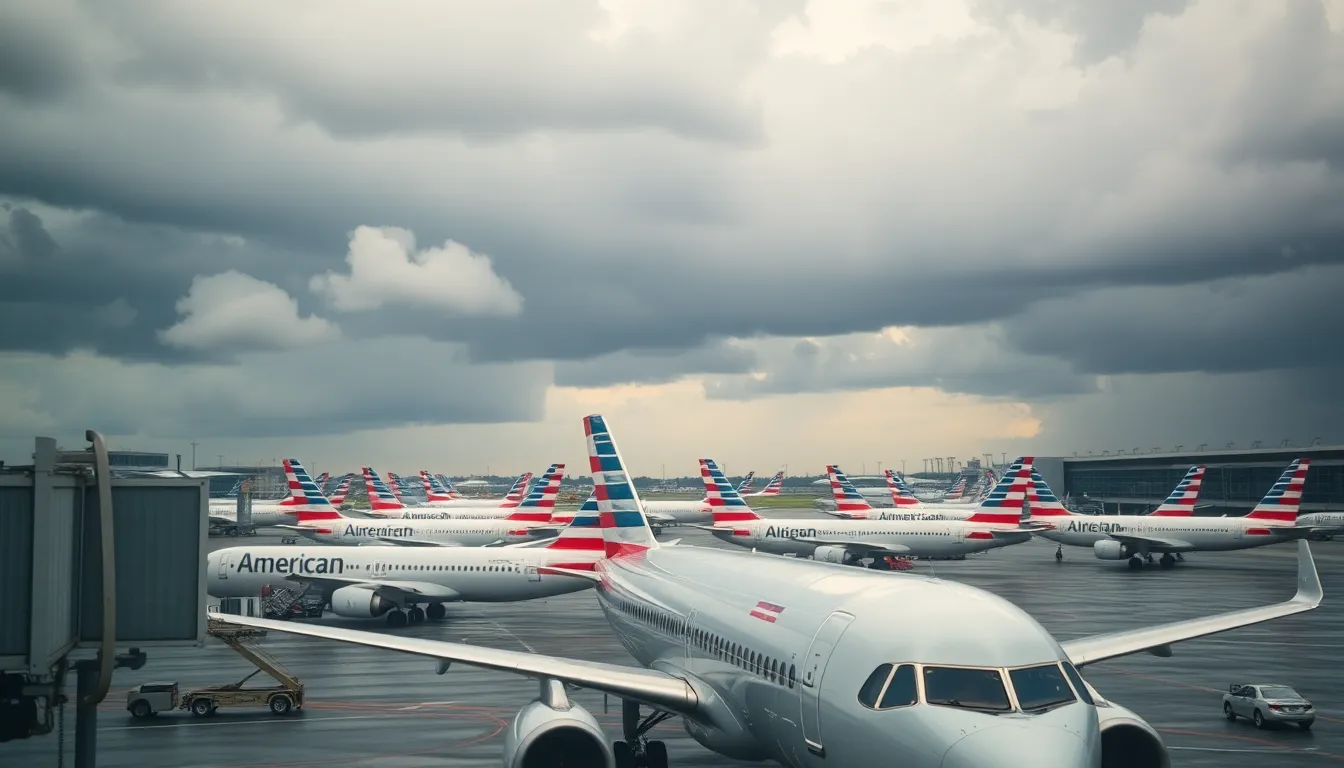
American Airlines implemented a ground stop in Philadelphia due to several critical factors impacting flight operations. Understanding these reasons helps travelers navigate the ensuing disruptions.
Weather Conditions
Weather conditions significantly influenced the ground stop. Severe thunderstorms, heavy rain, or low visibility events can hinder safe takeoffs and landings. For instance, flight delays often arise from wind shear or lightning in the vicinity. Of note, flight operations depend on clear weather for safety protocols, prompting ground stops when adverse conditions prevail.
Technical Issues
Technical issues also played a role in the ground stop. Malfunctions in aircraft systems or airport technology can necessitate temporary halts in operations. In particular, problems with air traffic control systems can disrupt overall traffic flow. American Airlines prioritizes passenger safety, ensuring that any technical malfunction prompts immediate action to prevent accidents or further complications.
Impact on Travelers
The recent ground stop at Philadelphia International Airport significantly affected travelers, leading to numerous flight cancellations and delays, as well as impacting overall passenger experience.
Flight Cancellations and Delays
American Airlines executed widespread flight cancellations and delays amid the ground stop. Up to 200 flights faced disruptions, with both departing and arriving flights impacted. Travelers experienced an increase in waiting times and uncertainty, particularly for those with connecting flights. The travel disruptions rippled across the nation, causing delays in major hubs like Chicago, Dallas, and Miami. Passengers were encouraged to check flight statuses regularly through the airline’s website, mobile app, or airport information boards for real-time updates.
Passenger Experience
Passenger experience diminished during the ground stop due to long wait times and limited assistance. Many travelers reported difficulties rebooking flights or accessing customer service due to high call volumes and long lines at ticket counters. American Airlines enhanced its communication efforts, sending alerts via text and email, and providing real-time updates on the situation. Despite these measures, many passengers faced frustration and discomfort while awaiting resolution. The airline deployed additional staff to assist impacted travelers, focusing on expediting rebooking processes to minimize inconvenience.
Response from American Airlines
American Airlines swiftly addressed the recent ground stop in Philadelphia, focusing on effective communication and support for affected passengers while outlining its compensation policies.
Communication with Affected Passengers
American Airlines utilized multiple channels to communicate with passengers during the ground stop. Notifications appeared on electronic boards at the airport, while mobile apps provided real-time alerts regarding cancellations and delays. Customer service representatives remained available through phone and chat options to answer inquiries and guide travelers. Clear messages highlighted the reason for the ground stop, allowing passengers to stay informed about their travel status and rebooking options. In many instances, American Airlines proactively updated customers on connecting flight statuses, which helped ease uncertainty.
Compensation Policies
American Airlines has established compensation policies for passengers disrupted by the ground stop. Travelers impacted by cancellations or significant delays may qualify for travel vouchers, financial reimbursements, or hotel accommodations. The airline encourages affected passengers to review their specific situations and submit claims as necessary. Additionally, American Airlines emphasizes that compensation provisions vary based on the nature of the disruption, so passengers are advised to consult the airline’s official website or customer service for detailed guidance.
Future Implications for Travelers
Travelers may experience more frequent disruptions as airlines adapt to evolving weather patterns and increasing air traffic. American Airlines’ recent ground stop in Philadelphia serves as a crucial reminder of the need for flexibility during travel. Passengers should anticipate potential delays due to weather conditions, which could become more unpredictable as climate change affects flight operations.
Passengers may also encounter stricter regulations and operational protocols aimed at ensuring safety. As airlines prioritize safety improvements, travelers might face longer wait times during high-traffic periods. Awareness of these trends can prepare travelers for future travel challenges.
American Airlines has committed to improving its communication strategies in the wake of this incident. Enhanced notifications through multiple platforms ensure that travelers remain informed throughout their journey. Travelers are advised to stay connected via mobile apps or airline websites for updates, as timely information can aid in decision-making during disruptions.
Compensation policies will likely evolve as airlines learn from past incidents. Travelers may benefit from clearer guidelines regarding reimbursement and accommodations during significant disruptions. Understanding these changes can empower travelers to navigate unexpected situations more effectively.
The future of air travel may also see increased collaboration among airlines and air traffic control to minimize disruptions. Enhanced coordination could lead to more efficient responses during adverse events. Travelers should consider the potential for improved operational resilience, which may lead to smoother travel experiences even during challenging scenarios.
The recent ground stop by American Airlines in Philadelphia underscores the complexities of air travel and the critical role of safety. As weather and technical issues can disrupt operations, it’s vital for travelers to stay informed and adaptable. American Airlines’ commitment to communication and support during this challenging time reflects its dedication to passenger safety and satisfaction.
Looking forward, travelers should prepare for potential disruptions as airlines navigate changing weather patterns and increasing demand. By understanding the processes behind ground stops and utilizing available resources, passengers can better manage their travel experiences. As the industry evolves, American Airlines aims to enhance its strategies to ensure smoother operations and improved traveler outcomes in the face of unforeseen challenges.