
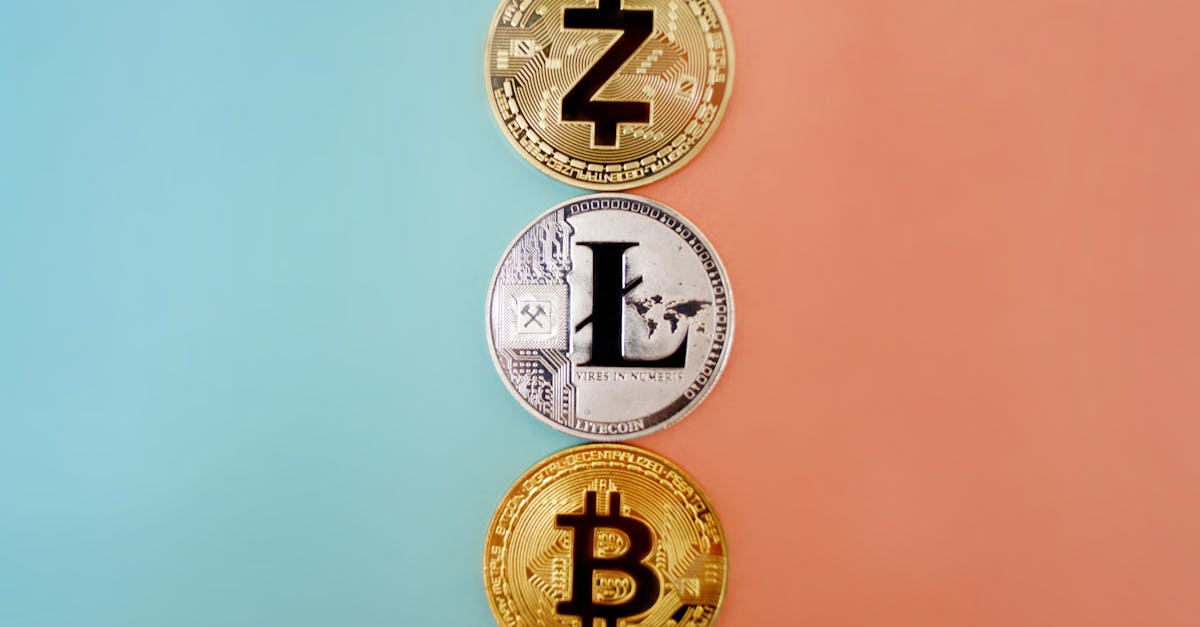
In a world where financial systems often feel like a maze designed by a particularly mischievous minotaur, decentralized finance, or DeFi, emerges as the knight in shining armor. Imagine a financial landscape where banks take a backseat and smart contracts do the heavy lifting—sounds like a dream, right? Well, wake up because it’s happening now!
Table of Contents
ToggleOverview of Crypto Decentralized Finance
Decentralized finance, often referred to as DeFi, represents a fundamental shift in how individuals manage money. It bypasses traditional intermediaries such as banks and payment processors. Instead, users engage directly with blockchain technology through smart contracts. These self-executing contracts eliminate the need for trust in a third party.
In the DeFi ecosystem, applications operate autonomously, providing services like lending, borrowing, and trading. Many platforms utilize Ethereum for their infrastructure, enabling secure and transparent transactions. Various tokens and stablecoins allow users to transact in a digital currency stable against fiat values.
Yield farming and liquidity mining are popular strategies within DeFi. These approaches incentivize users to provide liquidity to decentralized exchanges and protocols. By participating, individuals can earn rewards in the form of interest or additional tokens. Data shows that DeFi’s total value locked (TVL) has surged past $80 billion, reflecting its rapid growth and adoption.
Security remains a critical concern in this environment. Users must navigate risks including smart contract vulnerabilities and potential exploits. Ensuring safety requires thorough research and understanding of each platform before investing.
The ongoing development of layer-2 solutions promises to address scalability issues. Such enhancements aim to improve transaction speed while reducing costs. As DeFi matures, its influence on global finance will expand, challenging conventional banking models.
Importance of Decentralized Finance
Decentralized finance (DeFi) fundamentally alters financial interaction by removing traditional intermediaries. This transformation empowers individuals, enabling direct participation in financial activities through blockchain technology.
Benefits of Using DeFi
DeFi provides several key advantages. First, it enhances accessibility, allowing anyone with internet access to engage in financial services without geographic barriers. Lower fees are another benefit, as users skip costly bank fees associated with traditional systems. Additionally, automated processes via smart contracts minimize the risk of human error. Transparency characterizes DeFi platforms, fostering trust through open access to transaction data on blockchains. Yield farming and liquidity mining incentivize users to contribute, enhancing returns.
Risks Involved in DeFi
Despite its many benefits, DeFi carries notable risks. Security vulnerabilities present a significant challenge, as bugs in smart contracts can lead to substantial losses. Market volatility can also impact investments, resulting in rapid shifts in value. Regulatory uncertainty poses risks as governments worldwide consider developing frameworks for DeFi. Furthermore, users may lack recourse in cases of fraud or mismanagement without traditional regulatory protections. Addressing these risks through vigilant practices is crucial for sustainability.
Types of Crypto Decentralized Finance Guides
Decentralized finance (DeFi) encompasses various guides tailored to different user levels. These guides enable individuals to navigate the DeFi landscape efficiently.
Getting Started with DeFi
Beginner guides focus on core concepts of decentralized finance, providing an overview of essential terminologies and platforms. They often include step-by-step instructions for setting up wallets, connecting to decentralized exchanges, and utilizing basic DeFi applications. Instruction on acquiring cryptocurrency is crucial, as individuals need digital assets for participation. Furthermore, recommendations on security practices help protect users’ investments from potential threats. Beginners benefit from clear explanations and simplified processes for quick understanding, allowing them to engage confidently in DeFi.
Advanced DeFi Strategies
Advanced guides delve into complex strategies that enhance earning potential within the DeFi ecosystem. These may include yield farming techniques that maximize returns from liquidity provision. Investors often explore liquidity mining strategies, which incentivize users to supply liquidity to decentralized exchanges in exchange for tokens. Additionally, arbitrage opportunities allow traders to exploit price differences across various platforms. Techniques such as leveraging and staking facilitate further capital growth. Those interested in risk management usually find insights on balancing portfolios crucial, given the inherent volatility and market fluctuations in DeFi.
Popular Platforms for Decentralized Finance
Several platforms define the decentralized finance landscape. Ethereum stands as the foundation for most DeFi applications, enabling smart contracts for secure transactions. Binance Smart Chain offers lower fees and faster transactions, attracting numerous projects and users alike.
Cardano utilizes its network for smart contracts, aiming to provide a more sustainable and scalable alternative to Ethereum’s ecosystem. Solana boasts high throughput and competitive fees, making it a favorable choice for developers and users demanding speed.
Uniswap functions as a decentralized exchange, allowing users to swap tokens directly without intermediaries. Aave specializes in lending and borrowing, enabling users to earn interest on deposits while accessing instant loans.
Compound enhances users’ ability to earn interest through crypto assets, utilizing a decentralized protocol for lending. MakerDAO permits users to generate stablecoins by collateralizing their cryptocurrencies, creating a bridge between volatile digital assets and stable currencies.
Curve Finance focuses on stablecoin trading, optimizing liquidity through efficient pools for minimal slippage. SushiSwap extends Uniswap’s functionalities while providing additional features like yield farming, incentivizing community engagement.
These platforms represent just a fraction of the growing DeFi landscape. Each provides unique features that cater to various user needs, reinforcing the shift towards a decentralized financial future. Partnership among these platforms fosters innovation and boosts the total value locked in DeFi, which has surpassed $80 billion.
Decentralized finance is reshaping the financial landscape by empowering individuals to take control of their financial activities. With the rise of smart contracts and innovative platforms users can now engage in lending trading and investing without traditional intermediaries. This transformation not only enhances accessibility but also promotes transparency and reduces costs.
As the DeFi ecosystem continues to evolve users must remain informed about both opportunities and risks. By leveraging comprehensive guides tailored to various experience levels individuals can confidently navigate this complex space. The future of finance is undoubtedly decentralized and staying educated is key to thriving in this dynamic environment.