
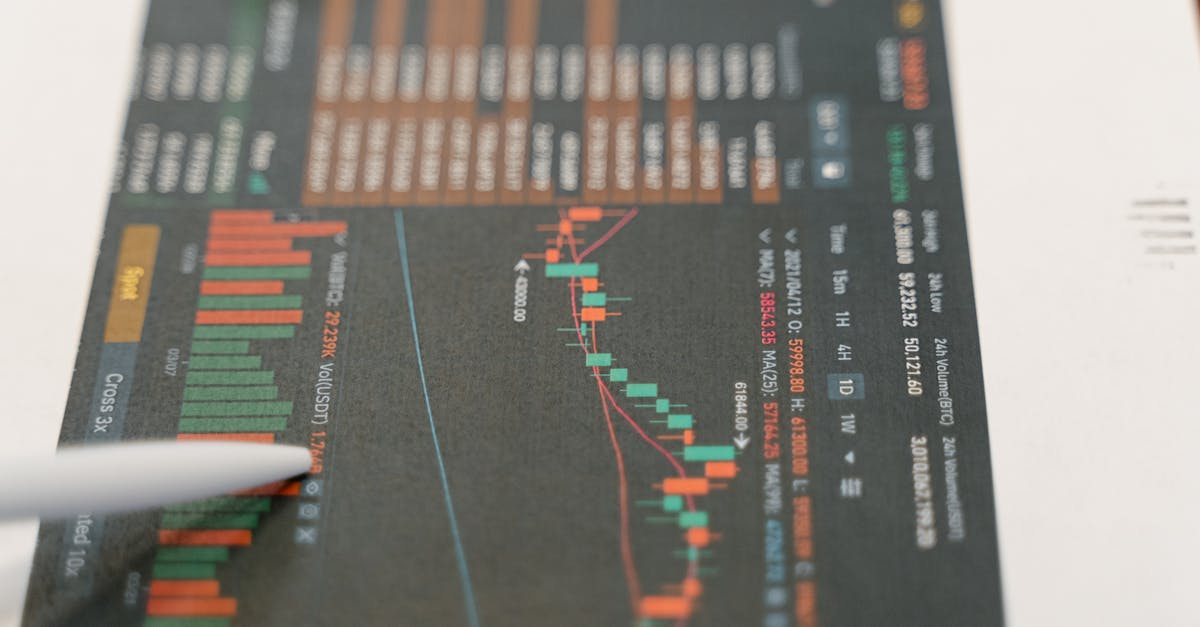
In the fast-paced world of cryptocurrency, trading volume can feel like trying to catch a greased pig at a county fair. Just when you think you’ve got a handle on it, it slips right through your fingers! Keeping tabs on crypto exchange trading volume is crucial for anyone looking to ride the waves of this digital gold rush. It’s not just numbers on a screen; it’s the lifeblood of market activity and the pulse of investor sentiment.
Table of Contents
ToggleOverview of Crypto Exchange Trading Volume Updates
Trading volume on cryptocurrency exchanges serves as a crucial metric reflecting market dynamics. Increased trading volume often indicates heightened investor activity, suggesting opportunities for both short-term and long-term strategies. Significant fluctuations in this volume can highlight shifts in market sentiment, providing essential insights into potential price movements.
Data shows that top exchanges, such as Binance and Coinbase, consistently exhibit tiered trading volumes that influence liquidity. Analyzing these updates helps traders make informed decisions based on real-time market conditions. Regular tracking of trading volumes allows investors to spot trends early, enhancing their ability to capitalize on market movements.
Metrics vary across different platforms, with some exchanges reporting volumes in the billions of dollars daily. This variability can affect price stability and impact trading strategies. Higher trading volumes often correlate with greater liquidity, reducing transaction costs and enabling quicker order execution.
Updates from exchanges may include volume statistics for specific trading pairs, revealing which cryptocurrencies are gaining traction. Active monitoring of these updates can lead to better-informed trades and optimized portfolios. Furthermore, considering the overall market cap and liquidity alongside trading volume gives a comprehensive view of market health.
Ongoing updates about trading volumes provide investors with the necessary information to navigate the volatile crypto landscape effectively. Tracking these metrics is essential for maintaining a competitive edge and responding to market changes swiftly.
Current Market Trends
Monitoring cryptocurrency exchange trading volumes reveals crucial insights into market dynamics. Current trends show significant fluctuations affecting traders’ strategies.
Analysis of Trading Volume Changes
Recent data indicates that trading volume on major platforms has experienced notable shifts, reflecting heightened investor activity. Observing these changes allows traders to anticipate price movements in real time. Exchanges like Binance and Coinbase report varying volumes across trading pairs, highlighting which cryptocurrencies draw increased interest. Analysts emphasize that distinguishing between short-term spikes and long-term trends provides a clearer market picture. In essence, tracking these volume changes empowers investors to make informed decisions.
Key Drivers Affecting Volume Fluctuations
Several factors contribute to trading volume fluctuations in the cryptocurrency market. Investor sentiment plays a pivotal role, driving demand or causing panic selling. Market news, regulatory updates, and technological advancements also heavily influence trading volume. Additionally, major events like exchange listings or partnership announcements can trigger significant buying or selling activity. Seasonal trends often impact investor behavior, with certain periods leading to increased trading. Understanding these drivers equips traders to adapt quickly to rapid market changes.
Major Crypto Exchanges
Monitoring trading volumes on major crypto exchanges is essential for understanding market dynamics. Each exchange presents unique trading volume statistics, giving insight into liquidity and investor behavior.
Comparison of Trading Volumes
Binance tops the list with consistently high trading volumes, often exceeding $1 billion daily. In contrast, Coinbase typically shows an average volume of around $300 million, indicating a more retail-focused audience. Kraken follows with noteworthy volumes near $200 million, appealing to both retail and institutional investors. Observing these figures helps traders gauge activity levels, enabling them to make strategic choices based on market engagement. Analyzing volumes across platforms shows that Binance’s dominance reflects its extensive range of offerings compared to others.
Innovations Impacting Volume
Innovative trading features play a crucial role in influencing volumes across exchanges. Derivatives trading, for instance, has surged in popularity, allowing users to place bets on price movements without owning the underlying asset. Additionally, the introduction of decentralized finance (DeFi) solutions has shifted trading practices, drawing significant volumes away from traditional platforms. It’s important to note that rapid technological advancements also lead to increased mobile trading options, enhancing user accessibility. As exchanges adopt these innovations, they stimulate trading activity, illustrating how technology shapes the crypto landscape.
Impact of Regulations on Trading Volume
Regulatory changes significantly affect cryptocurrency trading volumes. Increased scrutiny from governing bodies often leads to fluctuations in market activity. Traders may react swiftly to news regarding new regulations, causing immediate shifts in trading volume.
In certain instances, positive regulatory developments encourage heightened investor confidence. For example, when regulations provide clarity, trading volumes on major exchanges can surge as more participants enter the market. Conversely, restrictive regulations can deter trading activity, leading to decreased volumes.
Different regions exhibit varying regulatory environments that influence market behavior. Areas with favorable regulations may attract higher trading volumes compared to those with strict policies. Traders closely monitor legislative updates to adjust their strategies accordingly.
In addition to direct impacts, regulations can shape market sentiment. Recent regulatory announcements may lead to both excitement and apprehension among investors. This duality often results in increased volatility and trading volumes, reflecting traders’ attempts to navigate uncertainty.
Significant events, such as exchange compliance announcements, can also trigger notable shifts. Traders tend to respond positively when exchanges demonstrate adherence to regulatory requirements, believing this fosters long-term stability.
Consequently, understanding the regulatory landscape equips traders with insights into potential market movements. By analyzing how regulations impact specific assets, investors can make more informed decisions. In the ever-evolving world of cryptocurrency, keeping pace with regulatory developments remains crucial in navigating trading volume dynamics.
Future Predictions for Crypto Exchange Trading Volume
Analysts foresee an increase in trading volume as more investors enter the cryptocurrency market. Growth in institutional participation is likely to contribute significantly to this trend, with major firms allocating resources to digital assets. Anticipated product launches, including exchange-traded funds (ETFs), could attract retail and institutional investors alike, further boosting overall trading activity.
Emerging technologies may also play a key role in shaping future trading volumes. Innovations like blockchain interoperability could simplify transactions across different platforms, enhancing user experience and engagement. Increased adoption of decentralized finance (DeFi) solutions is expected to attract traders seeking high yields, driving volume as users explore liquidity options outside traditional exchanges.
Market volatility will act as a crucial factor in trading volume predictions. Heightened price movements often lead to increased trading activity as investors react to market shifts. Seasonal trends and speculative trading during key events, such as major announcements or upgrades, can amplify this effect, presenting opportunities for traders to capitalize on short-term fluctuations.
Regulatory developments will continue to influence trading volumes across regions. Adoption of favorable regulations tends to enhance investor confidence, increasing trading activity on compliant exchanges. Conversely, restrictive rules in certain jurisdictions may deter participation, underscoring the importance of remaining informed about regulatory changes and their implications.
Lastly, platforms that innovate and provide seamless trading experiences are positioned to attract higher volumes. Competitive trading features, like lower fees or advanced analytics, can differentiate exchanges and appeal to a broader audience. Monitoring these trends will help investors gauge which exchanges are likely to dominate in terms of trading volume in the ever-evolving crypto landscape.
Monitoring cryptocurrency exchange trading volume is essential for any investor looking to navigate the complex crypto landscape. As trading volumes fluctuate in response to market sentiment and external factors, staying informed can provide a competitive edge. Understanding these dynamics allows traders to anticipate price movements and adapt strategies accordingly.
With the increasing interest from institutional investors and the introduction of innovative trading features, the future of trading volume looks promising. By keeping an eye on key exchanges and their unique metrics, investors can capitalize on emerging opportunities. Ultimately, a proactive approach to tracking trading volume will empower traders to make informed decisions in this fast-paced market.