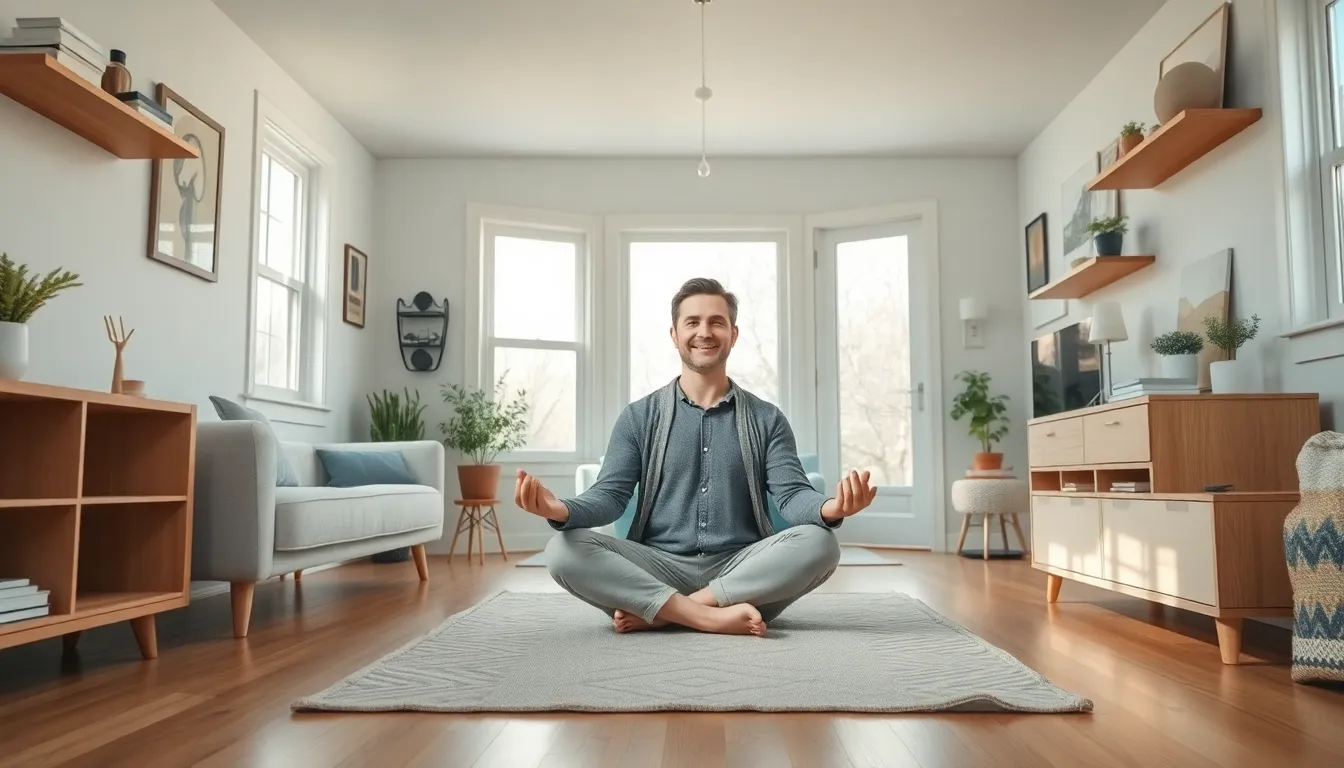
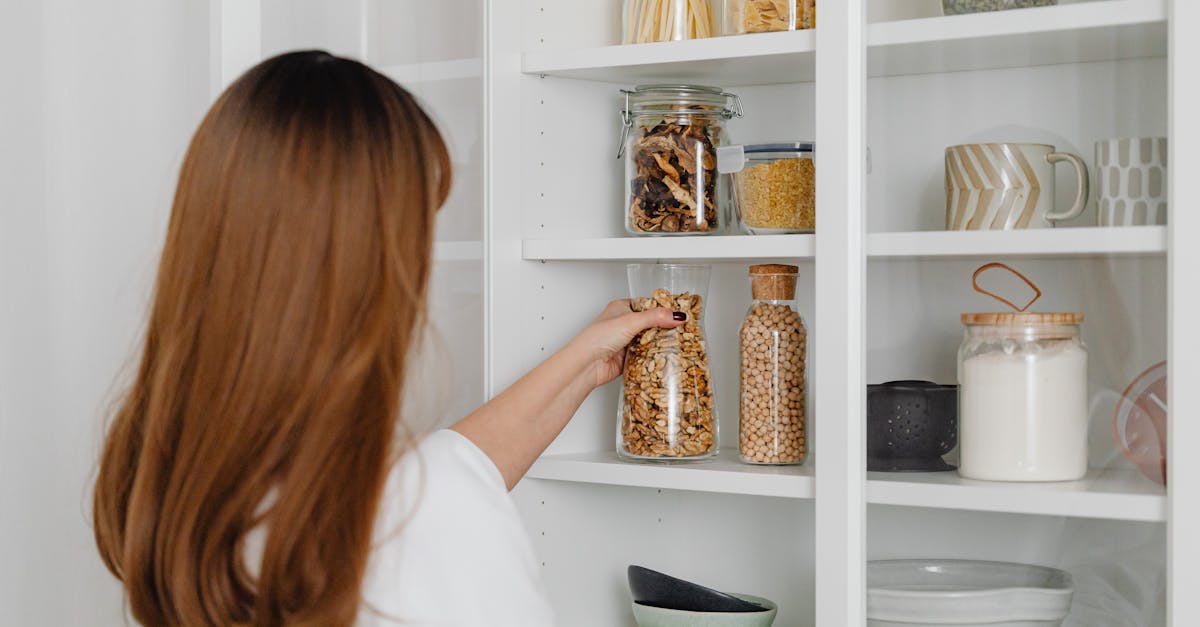
In a world where clutter seems to multiply faster than rabbits, embracing a decluttered lifestyle can feel like a superhero move. Picture this: no more tripping over shoes, no more searching for that elusive remote, and definitely no more drowning in a sea of paperwork. It’s time to take back control and unleash the calm that lies beneath the chaos.
Table of Contents
ToggleUnderstanding a Decluttered Lifestyle
A decluttered lifestyle emphasizes simplicity and organization, encouraging individuals to minimize excess items in their surroundings. This way, one’s environment becomes peaceful and less chaotic.
What Is a Decluttered Lifestyle?
A decluttered lifestyle revolves around reducing physical and mental clutter. It focuses on keeping only items that add value to daily life. Living this way involves regular assessments of possessions, ensuring that spaces remain functional. Mindfulness accompanies this process, as individuals learn to appreciate what they truly need. Ultimately, a decluttered lifestyle creates a sense of clarity and purpose.
Benefits of Living a Decluttered Life
Living a decluttered life offers numerous advantages, enhancing overall well-being. An organized space often fosters increased productivity and focus. Individuals frequently experience reduced stress and anxiety when surrounded by simplicity. Health benefits also arise, as cleaner environments contribute to better hygiene. Furthermore, financial savings occur from intentional purchasing habits, reducing impulse buys. Valuable time is saved when locating items becomes easy.
Steps to Achieve a Decluttered Lifestyle
Achieving a decluttered lifestyle involves practical steps that create lasting changes. Implementing these actions can transform living spaces and enhance overall well-being.
Assessing Your Space
Begin by surveying every area in your home. Identify spaces that cause stress or frustration due to clutter. Focus on high-traffic zones like hallways or entryways. Evaluate storage areas, then consider what truly serves a purpose. Take notes on items that no longer fit your lifestyle. It’s essential to recognize personal attachments versus actual utility. Prioritize areas based on daily use and emotional impact. This assessment forms the groundwork for an effective decluttering process.
Setting Decluttering Goals
Establish specific, measurable goals for decluttering. Set realistic timelines for each area, like one room per week. Create a checklist to track progress and maintain motivation. Incorporate daily or weekly tasks to avoid overwhelm. Aiming for a defined number of items to remove can help streamline the process. Formulate short-term goals that align with long-term aspirations. Adjust goals as necessary to stay adaptable, ensuring the journey remains manageable. Setting these goals empowers individuals to build a sustainable, decluttered lifestyle.
Maintaining a Decluttered Lifestyle
A decluttered lifestyle thrives on intentional habits and a focused mindset. Ensuring daily practices support sustainability is essential for long-term success.
Daily Habits for Sustainability
Develop consistent habits to maintain a decluttered space. Designate a specific time each day for organizing small areas, like a drawer or countertop. Embrace the one in, one out principle; for every new item acquired, remove an old item. Organizing daily can prevent the accumulation of clutter. Regularly reassess belongings to ensure everything serves a purpose. Make tidying part of a daily routine, assigning a set time dedicated to putting things back in place. Transform the habit of decluttering into an enjoyable ritual. Each of these strategies contributes significantly to a sustainable and decluttered lifestyle.
Creating a Minimalist Mindset
Cultivating a minimalist mindset is crucial for a decluttered life. Start by prioritizing experiences over possessions, focusing on what adds value to life. Challenge the need for excess items by asking if each item truly serves a function. Embrace the concept of quality over quantity when acquiring new belongings. Remind oneself that less often means more by reducing distractions caused by clutter. Practice gratitude for what one already owns rather than longing for more. Adopting this mindset leads to ongoing reflection and assessment of personal belongings. By fostering a minimalist approach, a decluttered lifestyle becomes an effortless and enriching part of daily life.
Challenges in Adopting a Decluttered Lifestyle
Adopting a decluttered lifestyle presents various challenges that can hinder progress. Recognizing these obstacles is crucial for maintaining motivation and achieving long-term success.
Overcoming Emotional Attachments
Emotional attachments to possessions complicate the decluttering process. Many individuals hold onto items due to nostalgia or sentimentality, which clouds judgment about their necessity. To move forward, it helps to evaluate the actual utility of each item. Reflecting on memories associated with possessions can ease the transition of letting go. Acknowledging emotions while focusing on practical benefits encourages rational decision-making. Over time, individuals can learn to separate memories from material items, fostering a healthier relationship with belongings.
Common Pitfalls to Avoid
Avoiding common pitfalls enhances the journey towards a decluttered lifestyle. First, attempting to declutter all at once often leads to feeling overwhelmed. Breaking tasks into smaller, manageable segments aids sustain motivation. Second, impulsive decisions about what to keep or discard can result in regret. Taking time to assess each item mitigates this risk. Third, neglecting to establish regular decluttering sessions allows clutter to accumulate again. Scheduling consistent reviews of belongings prevents the setback of reorganizing. Being aware of these pitfalls leads to a more purposeful and effective decluttering journey.
Embracing a decluttered lifestyle transforms not only physical spaces but also mental well-being. By prioritizing simplicity and organization, individuals can cultivate an environment that supports clarity and focus. The journey toward minimalism encourages mindful living and fosters a deeper appreciation for what truly matters.
With practical steps and consistent habits, anyone can create a peaceful home that enhances productivity and reduces stress. It’s about making intentional choices that align with personal values and goals. As one navigates this path, the benefits of a decluttered life become increasingly evident, leading to a more fulfilling and enriched existence.