
In a world where the pixels dance and ideas flow like coffee on a Monday morning, digital creativity reigns supreme. It’s the magic wand that transforms mundane concepts into captivating visuals and compelling narratives. Whether it’s crafting a viral meme or designing an app that makes life easier, digital creativity is the secret sauce that keeps the internet buzzing.
Understanding Digital Creativity
Digital creativity encompasses the innovative use of technology to produce engaging content and artistic expressions. It plays a pivotal role in shaping online interactions and enriching the user experience.
Definition and Significance
Digital creativity refers to the ability to generate original ideas and content through digital tools and platforms. This form of creativity is essential for businesses, artists, and everyday users. Engaging multimedia content often captures attention more effectively than text alone. Companies leverage digital creativity for branding and marketing, fostering deeper connections with their audiences. Artists find new avenues for expression, and educators utilize it to enhance learning experiences. The combination of creativity and technology results in dynamic content that resonates with diverse audiences.
Evolution of Digital Creativity
Digital creativity has progressed remarkably since the advent of the internet. Early online platforms provided limited tools for expression, mainly text-based formats. As technology advanced, creatives gained access to sophisticated software for graphic design, video production, and interactive media. This evolution allowed for new artistic styles and genres to flourish in the digital space. Social media platforms have further accelerated this growth, enabling individuals to share their work widely. Today, digital creativity thrives, with innovations such as augmented reality and artificial intelligence shaping the future of content creation. The continuous development of technology ensures that digital creativity remains a fluid and evolving landscape.
Key Elements of Digital Creativity
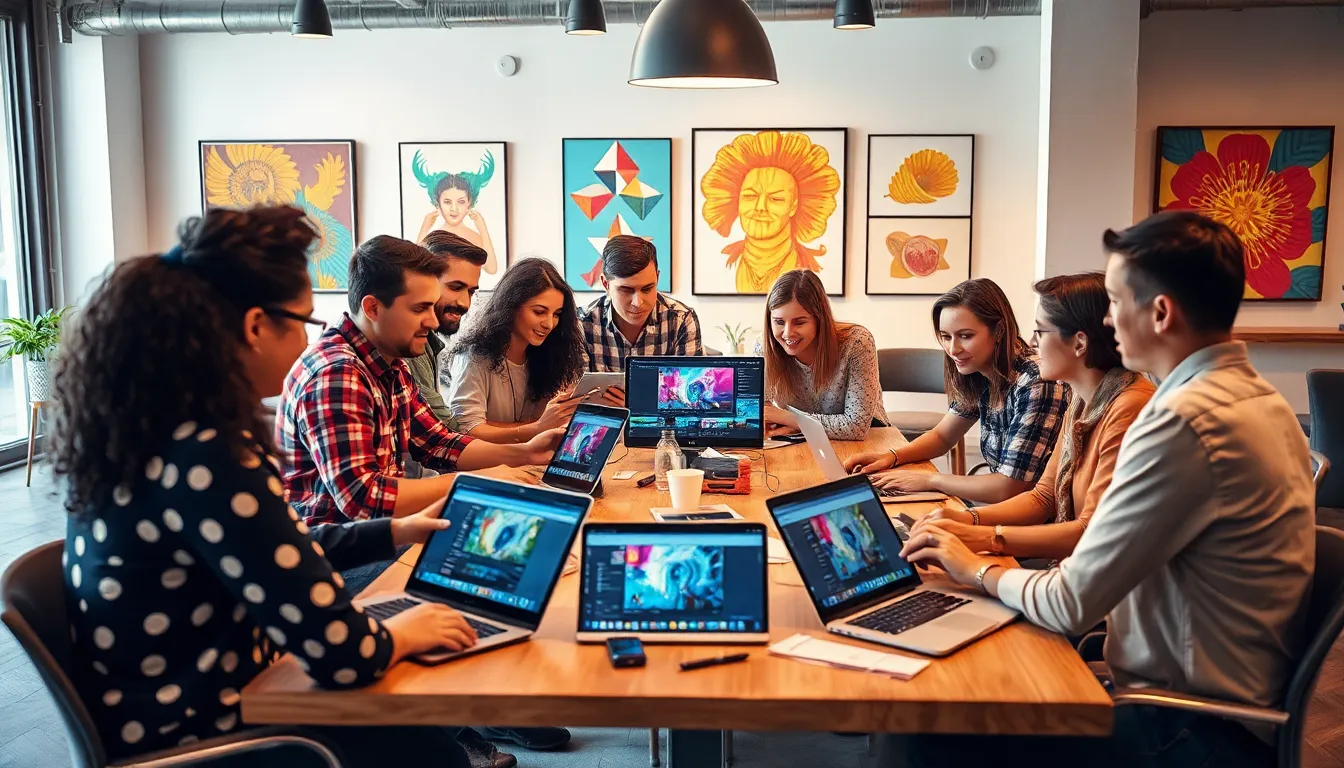
Digital creativity involves various essential components that enhance content creation and artistic expression. Understanding these elements helps individuals harness their creative potential in the digital landscape.
Tools and Technologies
Numerous tools and technologies play a crucial role in digital creativity. Graphic design software like Adobe Photoshop and Illustrator allows for sophisticated image manipulation and creation. Video editing programs such as Adobe Premiere Pro and Final Cut Pro enable storytellers and marketers to craft compelling visual narratives. Additionally, platforms like Canva provide user-friendly interfaces for creating social media graphics without extensive design skills. Emerging technologies, such as virtual reality and augmented reality tools, offer innovative ways to engage audiences. These resources not only expand creative possibilities but also streamline the production process.
Skill Sets Required
A diverse skill set forms the backbone of effective digital creativity. Proficiency in design principles helps creatives construct visually appealing compositions. Familiarity with coding languages such as HTML and CSS can enhance web development capabilities. Strong communication skills enable clearer storytelling across various media. Understanding user experience principles ensures content resonates with target audiences. Additionally, adaptability remains vital, as trends and technologies in digital creativity continuously evolve. Mastering these skills allows individuals to excel in a competitive landscape, producing impactful digital content.
Applications of Digital Creativity
Digital creativity manifests across various fields, driving engagement and innovation. Its impact is particularly notable in art, design, and marketing, shaping how individuals and businesses connect with audiences.
In Art and Design
In artistic realms, digital creativity enables seamless expression through diverse mediums. Graphic designers utilize advanced software for creating stunning visuals that captivate viewers. Artists embrace digital tools, enhancing traditional techniques with interactive elements and animations. Notably, platforms like Behance and DeviantArt showcase digital artworks, often blurring the lines between virtual and physical realities. Illustrators and animators leverage applications such as Procreate and After Effects to produce dynamic content. This integration of technology enhances artistic possibilities and fosters collaboration among creatives.
In Business and Marketing
Business strategies benefit significantly from the application of digital creativity. Companies harness innovative content to capture consumer attention and elevate brand visibility. Social media campaigns thrive on engaging visuals and interactive experiences, making digital creativity crucial for effective messaging. Marketers and advertisers create compelling narratives through videos, infographics, and interactive ads, leading to increased customer engagement. Tools like Canva and Adobe Spark provide businesses with user-friendly resources to design stunning marketing materials. This creative approach not only reinforces brand identity but also builds lasting connections with target audiences.
Challenges in Digital Creativity
Digital creativity faces several challenges that can hinder expression and innovation. These obstacles require thoughtful strategies for resolution in an evolving digital landscape.
Overcoming Creative Blocks
Creative blocks commonly occur during the process of content creation. Identifying techniques that stimulate inspiration is essential. Practicing brainstorming sessions can help generate fresh ideas while seeking feedback from peers fosters collaboration. Exploring diverse sources of inspiration, like art galleries or online platforms, can also reignite creativity. Setting specific goals and deadlines often motivates individuals to push through stagnant phases. Regularly engaging in creative exercises aids in strengthening problem-solving skills.
Balancing Technology and Human Touch
Sustaining a balance between technology and human elements remains crucial. Digital tools enhance productivity but too much reliance can lead to detachment. Integrating a human touch, such as storytelling or emotional connections, keeps content relatable. Understanding audience preferences ensures the content resonates effectively. Technology should enhance rather than replace personal expression, maintaining authenticity in creations. Prioritizing the human aspect in digital projects elevates engagement, fostering lasting relationships with audiences.
Future Trends in Digital Creativity
Digital creativity is set to evolve with exciting innovations that reshape how content is created and experienced. The ongoing development of intuitive tools will empower creators to produce work that stands out in crowded spaces.
Innovations on the Horizon
New software platforms will likely simplify complex processes in graphic design and multimedia creation. These innovations offer user-friendly interfaces and advanced features, enabling individuals to express their creativity without extensive training. Integrating artificial intelligence into design applications will personalize user experiences, tailoring recommendations based on previous projects. Furthermore, the rise of no-code platforms will democratize digital creativity, allowing non-technical users to create apps and websites, expanding the creator economy.
Impact of Emerging Technologies
The influence of augmented reality and virtual reality on digital creativity cannot be overlooked. These technologies enhance user engagement through immersive experiences, allowing creators to interact with their audiences in novel ways. Artists and marketers will embrace these tools to craft compelling narratives that resonate. Initial investments in these technologies show promising returns, demonstrating vast potential for businesses seeking to innovate their content strategies. As these technologies mature, their integration into daily creative practices can revolutionize how stories are told and experienced across various platforms.
Digital creativity stands as a powerful force in shaping modern communication and expression. As technology evolves it opens new avenues for creativity that were once unimaginable. The ability to blend art with innovative tools not only enhances individual expression but also drives business success through engaging content.
The future promises even greater advancements that will further democratize creativity. With the rise of user-friendly platforms and immersive technologies like augmented reality the landscape will continue to expand. Embracing these changes will empower creators to connect with audiences in deeper and more meaningful ways. Ultimately the journey of digital creativity is just beginning and its potential remains limitless.