

As the chill of winter fades and the first blooms of spring appear, Iowa’s outdoors enthusiasts eagerly anticipate the arrival of the 2025 spring turkey season. This time of year transforms the state’s woodlands into a vibrant playground for hunters, offering a unique opportunity to connect with nature and experience the thrill of the hunt.
With its diverse landscapes and abundant turkey populations, Iowa is a premier destination for both seasoned hunters and newcomers alike. As they prepare for this exciting season, hunters will want to stay informed about regulations, best practices, and tips to maximize their chances of success. Whether it’s the early morning calls or the camaraderie shared among friends, the spring turkey season promises unforgettable experiences in Iowa’s beautiful outdoors.
Overview of Iowa Spring Turkey Season 2025
Iowa’s spring turkey season in 2025 spans from April 7 to May 19, providing ample opportunity for hunters to engage with the state’s abundant turkey population. The season comprises multiple segments, including a youth season and two main hunting periods for general hunters.
Key Dates
| Segment | Dates |
|---|---|
| Youth Season | April 1 – April 4 |
| First Period | April 7 – April 14 |
| Second Period | April 15 – April 21 |
| Third Period | April 22 – May 19 |
Hunting Regulations
Iowa Department of Natural Resources enforces specific regulations to ensure sustainable hunting practices. Hunters must possess a valid hunting license and a turkey tag, available for purchase through various outlets. Compliance with local regulations, including zone restrictions and bag limits, remains crucial for a successful hunt.
Species and Habitats
Two primary species inhabit Iowa: the Eastern wild turkey and the hybrid turkey. These birds thrive in diverse habitats, such as woodlands, grasslands, and agricultural areas. Acquainting oneself with local terrain enhances the chances of spotting and successfully harvesting a turkey.
Preparation and Tips
Preparation significantly impacts hunting success. Essential tips include scouting locations prior to the season, understanding turkey behavior, and reviewing calling techniques. Utilizing camouflage gear and remaining patient allows hunters to blend into their surroundings, increasing chances for a successful encounter.
Iowa’s spring turkey season presents a unique opportunity for outdoor enthusiasts to connect with wildlife, enjoy nature’s beauty, and forge bonds with fellow hunters. Familiarity with the season’s framework and regulations ensures that participants fully appreciate this annual event.
Important Dates and Regulations
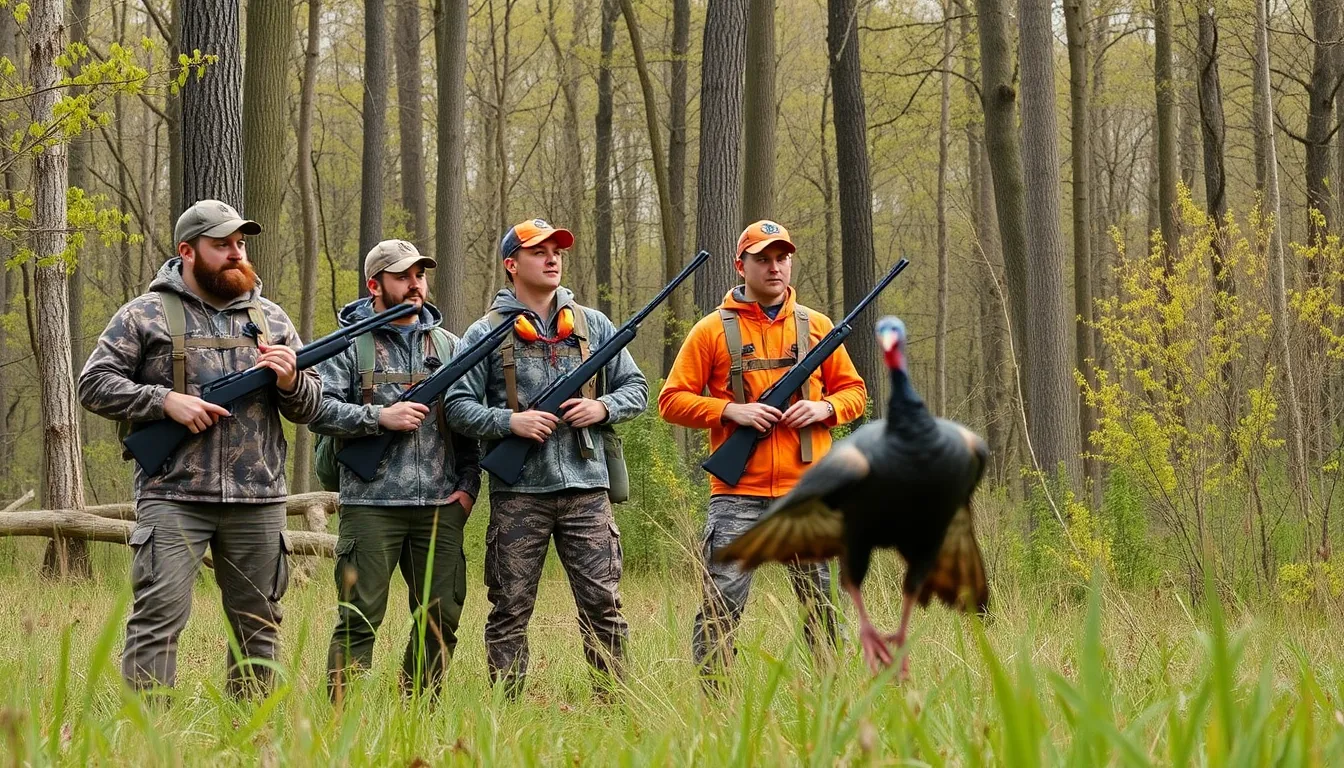
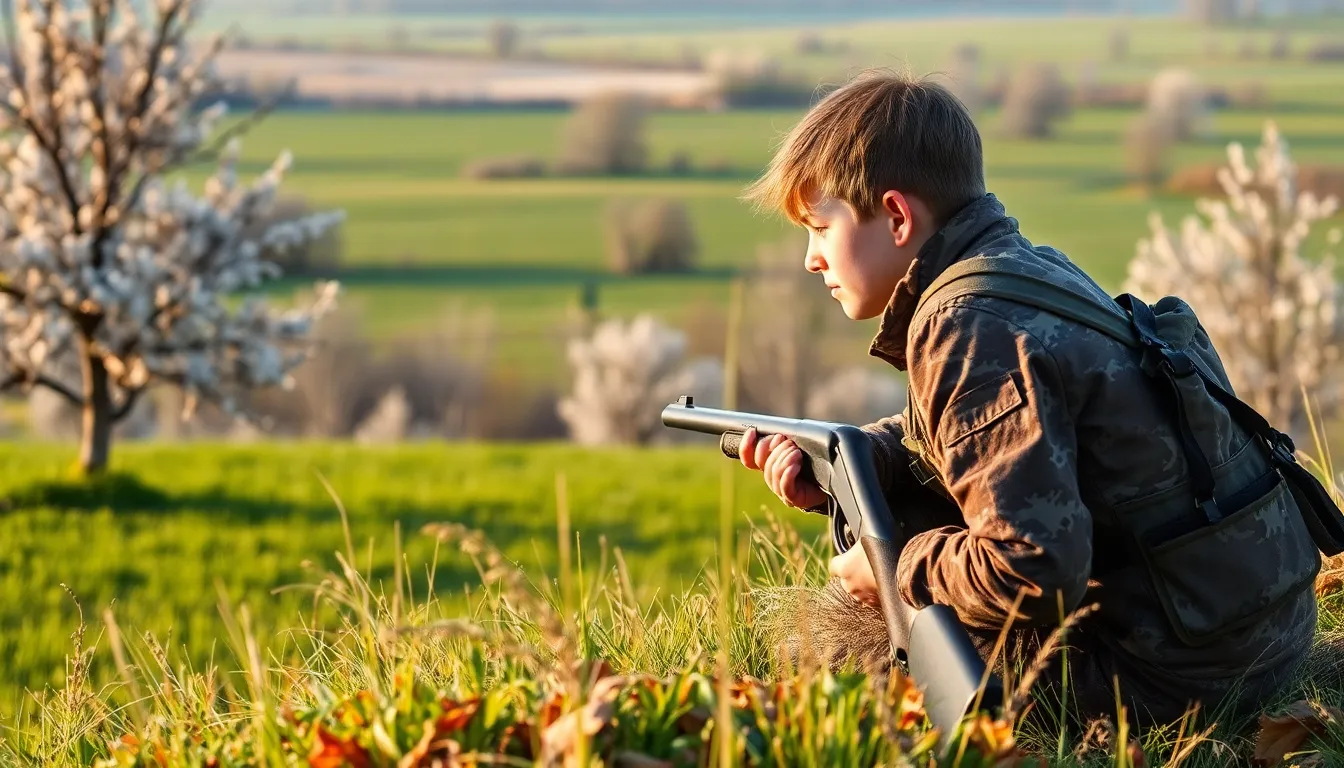
Iowa’s spring turkey season in 2025 features a structured timeline and regulations aimed at promoting sustainable hunting practices. Understanding these details is essential for a successful hunting experience.
Season Length
The 2025 spring turkey season spans from April 7 to May 19. This period is divided into three segments:
- Youth Season: April 1 to April 4
- First Period: April 7 to April 14
- Second Period: April 15 to April 21
- Third Period: April 22 to May 19
Each segment caters to different groups of hunters, maximizing opportunities across the state.
Legal Hunting Hours
Hunters in Iowa must adhere to specific legal hunting hours to ensure compliance. The designated legal hunting hours are:
- First Hour: Half an hour before sunrise
- Last Hour: Half an hour after sunset
This schedule promotes responsible hunting and aligns with wildlife safety considerations throughout the season.
Turkey Species in Iowa
Iowa hosts two primary species of turkeys, which are crucial for the state’s spring hunting season. Understanding these species enhances the hunting experience and helps hunters make informed decisions.
Eastern Wild Turkey
The Eastern wild turkey (Meleagris gallopavo silvestris) represents Iowa’s most common turkey species. This turkey thrives in varied habitats such as deciduous forests, mixed woodlands, and grasslands. Characterized by their iridescent feathers, Eastern wild turkeys exhibit a spectrum of hues—brown, black, and hints of green and purple, depending on lighting conditions. Males, known as toms, often grow large and can weigh between 18 to 25 pounds, with impressive wattles and a distinctive fan-like tail.
Differences Between Male and Female
Understanding the distinctions between male and female Eastern wild turkeys is critical for hunters. Males, or toms, possess prominent characteristics: larger body size, vibrant plumage, and long beards hanging from their chests. These traits aid in attracting females during the breeding season. Females, or hens, appear smaller and have more subdued coloration, which provides camouflage against predators. Hens typically weigh between 8 to 12 pounds and lack beards, making it easier to identify the gender. Recognizing these differences promotes ethical hunting practices and responsible population management.
Hunting Methods and Techniques
Iowa’s spring turkey season offers various hunting methods and techniques that enhance success. Understanding these methods allows hunters to effectively engage with the local turkey population.
Archery vs. Shotgun
Archery and shotgun hunting each present unique advantages. Archery hunters use bows and arrows, requiring closer proximity to turkeys for effective shots, typically within 20 to 30 yards. This method enhances challenge and skill development while promoting stealth and patience. Shotgun hunters, on the other hand, utilize shotguns with appropriate turkey loads, providing a wider shot range of up to 40 yards. Shotguns facilitate a quicker harvest and allow for a broader array of hunting scenarios. Both methods require familiarity with regulations regarding equipment and ammunition to ensure compliance with state laws.
Calling Techniques
Effective calling techniques significantly increase hunting success. Among common calls, the cluck, yelp, and purr mimic turkey sounds that attract and communicate with wild turkeys. The mouth call, slate call, and box call provide hunters with various options for generating realistic turkey sounds. Mastering these calls requires practice and requires hunters to adapt their methods based on the turkeys’ responses. Understanding turkey behavior and timing ensures effective calling strategies, leading to greater opportunities for harvest during Iowa’s spring season.
Preparing for the Hunt
Preparation enhances hunting success during Iowa’s spring turkey season. Thoughtful planning includes selecting the right gear and ensuring safety measures are in place.
Gear and Equipment
Hunters require essential gear to maximize effectiveness and comfort.
- Clothing: Layered clothing appropriate for varying spring temperatures includes moisture-wicking base layers, insulating mid-layers, and waterproof outer layers. Camouflage patterns should match local environments to enhance concealment.
- Footwear: Sturdy, water-resistant boots offer support and grip. Lightweight options are ideal for moving quietly.
- Calls: Quality turkey calls, such as box calls, slate calls, and diaphragm calls, attract turkeys. Choosing a variety enhances effectiveness, as turkeys respond differently to sounds.
- Decoys: Using turkey decoys mimics natural behavior, increasing the chance of attracting birds within range. Selecting realistic, well-positioned decoys improves effectiveness.
- Firearms or Bows: Hunters must select either shotguns or archery equipment, adhering to regulations regarding gauges and arrow weights. Familiarity with chosen equipment enhances shooting accuracy.
Safety Tips
Safety remains paramount during turkey hunting to ensure a secure experience.
- Hunting with a Partner: Hunting in pairs or groups increases safety by providing support and companionship.
- Wear Hunter Orange: Wearing bright orange gear when not directly pursuing turkeys ensures visibility to other hunters, reducing accidental shootings.
- Identify Targets: Always confirm the target before shooting. Turkeys often move through thick brush, requiring patience and caution.
- Use Proper Gear Maintenance: Regularly inspect firearms or bows to ensure reliability. Proper maintenance avoids malfunctions during critical moments.
- Hydration and First Aid: Carry water and a first aid kit. Staying hydrated and prepared for minor injuries enhances overall safety and comfort in the field.