

In a world overflowing with stuff, minimalism offers a breath of fresh air—or maybe just a cozy nook free of clutter. Imagine waking up in a space where every item sparks joy instead of chaos. Minimalist ideas aren’t just about getting rid of things; they’re about embracing simplicity and finding freedom in less.
Think of it as a decluttering diet for the soul. By trimming the excess, one can focus on what truly matters—like that vintage record collection or the comfy couch that’s seen better days. Whether it’s a sleek wardrobe or a streamlined living room, minimalism invites creativity and clarity into everyday life. So why not dive into the minimalist movement? It might just be the quirky lifestyle change that makes your heart sing and your space breathe.
Understanding Minimalist Ideas
Minimalism is a lifestyle focused on simplicity and intentional living. It offers freedom from excess and emphasizes the value of quality over quantity.
Definition of Minimalism
Minimalism involves reducing physical and mental clutter to prioritize meaningful experiences and items. This lifestyle encourages individuals to evaluate possessions and commitments critically. Many view minimalism as a path to clarity and peace of mind. It applies not only to physical belongings but also to daily routines and relationships. By cutting away distractions, it allows people to focus on what truly enriches their lives.
Benefits of Embracing Minimalist Ideas
Adopting minimalist ideas leads to various benefits, both tangible and intangible. Less clutter often results in reduced stress, allowing for clearer thinking and improved concentration. Simplicity fosters creativity and encourages individuals to engage deeply with their interests. Financial savings frequently accompany a minimalist lifestyle, as reducing purchases leads to less spending. Relationships may also improve since minimalism promotes quality interactions over superficial connections. Health and well-being often see enhancement, with individuals finding more time for self-care and mindfulness.
Minimalist Ideas for Home Decor
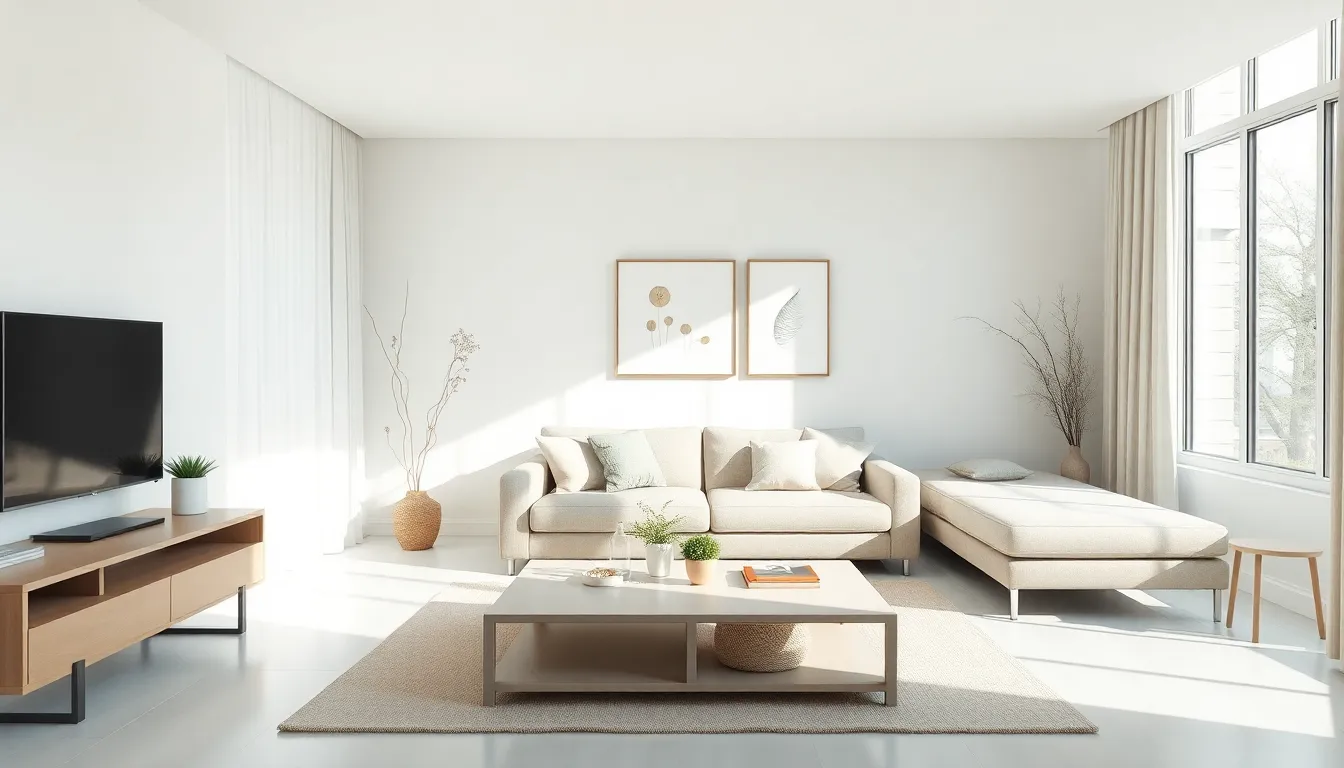
Minimalist home decor fosters a sense of calm and clarity. By applying specific strategies, anyone can create an environment that reflects simplicity and purpose.
Simplifying Your Space
Simplifying spaces involves reducing items to essentials. Perform a thorough evaluation of possessions and keep only those that serve a purpose or bring joy. Decluttering surfaces and organizing items into designated areas promotes harmony. Utilize storage solutions to hide miscellaneous items, ensuring that everything has its place. Embrace open spaces by minimizing furniture and wall decor. Consider neutral colors for walls, which create an airy feel, enhancing natural light. Prioritize functionality and beauty in remaining decor, curating each piece thoughtfully.
Choosing Functional Furniture
Choosing functional furniture focuses on utility combined with aesthetics. Select pieces that serve multiple purposes, such as sofas that convert into beds or coffee tables with hidden storage. Opt for sleek designs crafted from quality materials, promoting longevity and style. Arrange furniture to create clear pathways, enhancing movement throughout the space. Consider scaling furniture to fit room size, avoiding overcrowding. Prioritize lightweight options for easy rearranging to refresh the room’s layout. Select items with minimal ornamentation to maintain overall simplicity, contributing to an uncluttered atmosphere. Each choice highlights the philosophy of prioritizing quality over quantity.
Minimalist Ideas for Lifestyle
Minimalism extends beyond decluttering into various aspects of daily living. Incorporating minimalist ideas into lifestyle choices enhances focus and promotes intentionality.
Decluttering Your Life
Reducing both physical and mental clutter significantly revitalizes one’s space. Evaluating possessions involves reviewing items regularly to determine what adds value or joy. Creating a system for decluttering, like the one-in-one-out rule, maintains balance and simplicity. Organizing spaces leads to increased clarity and functionality. Simplifying routines, such as limiting commitments, frees up time for more meaningful experiences. It encourages a peaceful environment where attention can shift from excess to essentials.
Mindful Consumption
Prioritizing mindful consumption transforms everyday choices into intentional actions. Assessing buying habits helps distinguish needs from wants, reducing impulse purchases. Researching products before buying fosters informed decisions about quality and sustainability. Choosing versatile items ensures each purchase serves multiple purposes, aligning with minimalist values. Embracing the “less is more” philosophy enhances appreciation for what one already owns. Investing time in experiences rather than material goods fosters deeper connections and joy.
Practical Tips for Implementing Minimalist Ideas
Implementing minimalist ideas can transform everyday life. Here are practical strategies to start this journey.
Start Small
Starting with small changes makes minimalism more approachable. Begin by decluttering a single drawer or a shelf. Assess each item; if it does not serve a purpose or bring joy, remove it. Gradually expanding the decluttering process to larger areas fosters a sense of accomplishment. Breaking down tasks into smaller steps prevents overwhelm and encourages sustainable habits. Prioritize your daily interactions by focusing on a few meaningful items rather than an abundance. Small adjustments lead to significant transformations over time.
Create a Minimalist Routine
Creating a minimalist routine enhances daily efficiency. Simplify morning rituals by limiting choices for breakfast and clothing. Establish a consistent schedule for tasks, dedicating specific days for chores. This organization frees up mental space, allowing for increased focus on important activities. Time management becomes crucial; use tools like calendars or alarms to stay on track. Incorporating regular moments of mindfulness can also reinforce simplicity, promoting clarity in decision-making. Simplifying routines creates a calm environment that supports a minimalist lifestyle.
Embracing minimalist ideas can transform not just physical spaces but also mental landscapes. By prioritizing simplicity individuals can cultivate environments that foster creativity and joy. This lifestyle encourages a deeper connection to what truly matters enhancing overall well-being.
Adopting minimalist principles doesn’t require a complete overhaul of one’s life. Starting small and gradually integrating these concepts can lead to significant improvements. As individuals simplify their surroundings and routines they’ll likely discover a newfound appreciation for the present moment.
Ultimately minimalism is about making intentional choices that align with personal values. By focusing on quality over quantity individuals can create a fulfilling life that resonates with purpose and clarity.