

In a world overflowing with stuff, it’s easy to feel like a contestant on a game show called “Who Can Hoard the Most?” But what if there’s a way to escape the clutter and reclaim your sanity? Welcome to the delightful realm of minimalist living. Imagine a life where you can find your keys without a treasure map and your living room doesn’t resemble a scene from a reality TV show about hoarding.
Minimalism isn’t just about tossing out old socks and pretending you’re a monk. It’s about making room for what truly matters. With a few simple tips, anyone can transform their space and mindset. So grab a cup of coffee, kick back, and let’s dive into the art of living with less—because who knew less could actually be more fun?
Understanding Minimalism
Minimalism serves as a lifestyle choice that emphasizes intentionality in possessions and actions. This approach creates a serene environment that centers on essentials.
Definition of Minimalism
Minimalism involves reducing excess to focus on meaningful experiences and relationships. Many view it as living with only what adds value, eliminating distractions, and fostering a clearer mindset. Individuals often interpret minimalism differently, reflecting personal values and priorities. Emphasizing simplicity enables deeper connections with the world and promotes a degree of mental clarity not easily achieved in cluttered spaces. Ultimately, its definition varies, yet the core remains constant: simplicity fosters fulfillment.
Benefits of Minimalist Living
Minimalist living offers numerous advantages that enhance both physical and mental well-being. Greater freedom often arises from owning fewer things, leading to reduced stress. Simplicity encourages financial savings since fewer possessions usually equate to lower spending. Additionally, individuals experience improved focus as distractions diminish. Efficient organization of space becomes easier when less clutter exists, allowing time management to flourish. Many find that less stress manifests in better relationships and overall satisfaction. Embracing minimalism often cultivates a more intentional and enriching lifestyle.
Getting Started with Minimalist Living
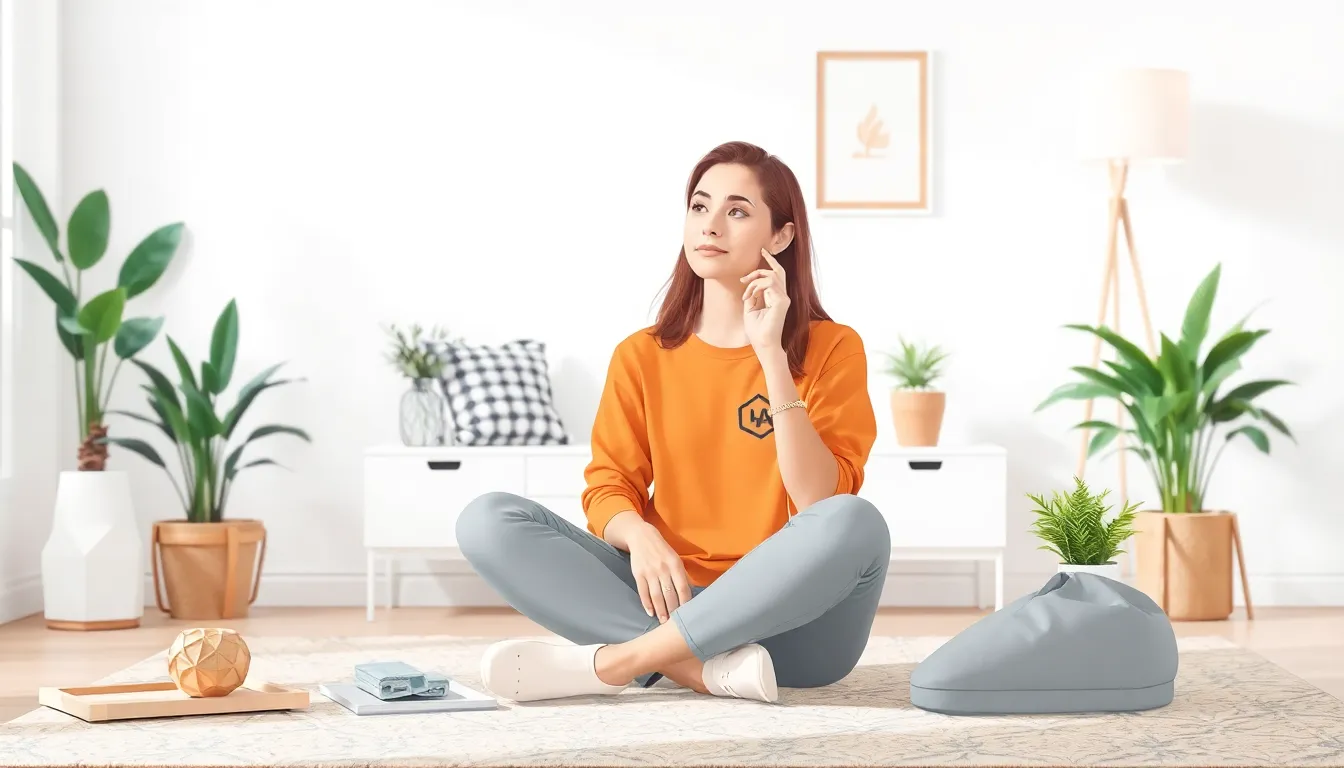
Beginning minimalist living involves practical steps that simplify one’s environment and mindset. Making intentional choices about possessions and activities opens the door to a more fulfilling life.
Assessing Your Current Lifestyle
Evaluating possessions leads to clarity on essentials. Examine each item and identify whether it serves a purpose or brings joy. Consider current habits and routines; how do they align with a minimalist mindset? Identify patterns that contribute to clutter. Reflect on emotional attachments to belongings, recognizing these attachments shape one’s living space. Documenting the evaluation fosters greater understanding of personal values and priorities. This exercise builds a foundation for meaningful change.
Setting Minimalist Goals
Establishing clear goals shapes the minimalist journey. Define specific, measurable objectives for decluttering and simplifying. Prioritize areas in the home that overwhelm or cause stress. Set timelines to achieve each goal, ensuring progress feels manageable. Consider implementing a “One In, One Out” policy for new items; this approach keeps clutter at bay. Create daily reminders to stay motivated and focused. Document each success, however small; celebrating progress reinforces commitment to a minimalist lifestyle.
Decluttering Your Space
Decluttering transforms a chaotic environment into a serene space. Implementing effective techniques can streamline this process.
Effective Decluttering Techniques
Start by sorting items into categories like keep, donate, and discard. Use the Marie Kondo method, asking oneself if an item sparks joy. Focus on one area at a time, such as a drawer or a closet, to avoid overwhelming oneself. Utilize storage solutions like bins and baskets to organize essentials and maintain visibility. Set a timer for short bursts of decluttering, making it easier to stay on task.
Tips for Maintaining a Clutter-Free Home
Regularly assess belongings and remove items that no longer serve a purpose. Adopt a “One In, One Out” policy to manage new acquisitions effectively. Dedicate time each week to tidy up high-traffic areas, ensuring clutter doesn’t accumulate. Create designated spaces for items to make organization intuitive. Involve family members in the process, encouraging shared responsibility for maintaining a clean environment.
Mindful Consumption
Mindful consumption emphasizes intentional choices regarding belongings. Practicing this approach leads to a more fulfilling life, eliminating unnecessary clutter and distractions.
Evaluating Purchases
Evaluating purchases requires critical thinking before acquiring new items. One must assess whether potential acquisitions add value or align with personal goals. Asking questions like “Does this enhance my life?” or “Will it serve a purpose?” aids in decision-making. Analyzing needs versus wants streamlines the purchasing process. Additionally, setting budget limits encourages thoughtful spending. This evaluation cultivates awareness of consumer habits, reducing impulse buys and fostering a more intentional lifestyle.
The One In, One Out Rule
The One In, One Out rule supports minimalism by maintaining a balance in possessions. For every new item brought into the home, one must be let go. This practice prevents accumulation and promotes conscious decision-making. It encourages individuals to think critically about needs and maintains organized spaces. Regularly applying this rule creates a sustainable lifestyle, making room for meaningful experiences. Implementing this technique reinforces the value of simplicity in everyday life, ensuring that belongings serve a purpose or bring joy.
Simplifying Daily Routines
Simplifying daily routines enhances efficiency and reduces stress. Focus on eliminating unnecessary tasks to create a more manageable schedule.
Streamlining Your Schedule
Prioritize essential activities to align with personal goals. Consider blocking time for similar tasks, creating efficiency within each block. Morning routines can benefit from consistency, allowing individuals to start the day with purpose. Implement a weekly review to assess upcoming commitments, ensuring a sustainable schedule. Condense meetings and limit distractions to maintain focus and productivity.
Organizing Your Digital Life
Digital clutter can overwhelm as much as physical items. Start by unsubscribing from unnecessary emails to reduce distractions. Create folders for organization, categorizing important documents and files. Utilize apps designed for task management, prioritizing tasks by urgency and importance. Regularly assess digital files, taking time to delete what no longer serves a purpose. Additionally, schedule periodic reviews of devices to maintain a clutter-free digital environment.
Minimalist Decor Ideas
Minimalist decor enhances a serene environment by emphasizing simplicity and functionality. Thoughtful choices create spaces that feel open and unencumbered.
Choosing Functional Furniture
Selecting functional furniture is crucial in minimalist decor. Multi-purpose items save space and reduce clutter, serving various needs in one piece. A sofa bed, for example, functions as seating and sleeping space. Consider using nesting tables or storage ottomans, which provide additional utility without overwhelming the room. Prioritizing quality over quantity leads to investment in timeless pieces that endure through trends. Crafting a harmonious living area relies on balance, so arrange furniture to facilitate movement and optimize flow.
Embracing Neutral Colors
Embracing neutral colors fosters tranquility in minimalist design. Shades like white, beige, and gray create a calming backdrop that complements various styles. Such colors enhance light and provide an illusion of spaciousness, making rooms appear larger. When selecting accents, subtle tones like soft pastels or earth tones maintain a cohesive appearance. Incorporating natural materials, such as wood or stone, adds warmth and texture while adhering to a minimalist aesthetic. Prioritize simplicity to ensure that each color choice enhances the overall ambiance without introducing distraction.
Embracing minimalist living can transform not just physical spaces but also mental clarity and emotional well-being. By prioritizing intentional choices and simplifying daily routines, individuals can create environments that reflect their values and enhance quality of life.
The journey toward minimalism is personal and unique for everyone. It’s about finding what truly matters and letting go of what doesn’t serve a purpose or bring joy.
As individuals take small steps toward a more minimalist lifestyle, they may discover newfound freedom and fulfillment. With each decluttered space and intentional choice, they’ll pave the way for a more serene and enriching life.