

In a world overflowing with stuff, the minimalist person stands out like a unicorn in a herd of horses. They embrace simplicity, opting for fewer possessions and distractions. But don’t mistake them for hoarders of empty space; minimalists know that less is more. It’s not just about decluttering their closets but about decluttering their minds too.
Imagine living in a space that sparks joy instead of chaos. Minimalists focus on what truly matters, whether it’s experiences, relationships, or a well-organized sock drawer. They’ve mastered the art of saying no to unnecessary clutter, both physical and mental. So, what exactly makes a minimalist tick? Let’s dive into the delightful world of minimalism and discover the secrets behind their less-is-more lifestyle.
Defining Minimalism
Minimalism centers around the idea of simplicity in various aspects of life. The philosophy encourages individuals to streamline their possessions, focusing on quality over quantity. Living with intention becomes a core principle for minimalists, as they aim to reduce distractions and stress.
Clarity arises when one prioritizes experiences and meaningful relationships above material goods. Minimalists often advocate for a decluttered home, viewing it as a sanctuary that fosters mental well-being. They seek to eliminate unnecessary items, enabling more space for personal growth and creativity.
In this lifestyle, material items serve a purpose rather than a status symbol. Choices reflect personal values, with emphasis placed on what truly contributes to happiness and fulfillment. Adopting this mindset encourages mindfulness in daily decisions, from purchasing habits to time management.
Practicing minimalism spans beyond physical objects. It includes minimizing digital noise, such as social media usage, and simplifying commitments. Streamlined routines enhance productivity, allowing for more time spent on passions and pursuits that matter.
This approach attracts those desiring a richer life, yet it’s crucial to acknowledge that minimalism varies for each person. Tailoring the minimalist lifestyle aligns with personal values and goals.
Through these practices, minimalists achieve a life grounded in purpose, creating a meaningful existence with less clutter.
Characteristics Of A Minimalist Person
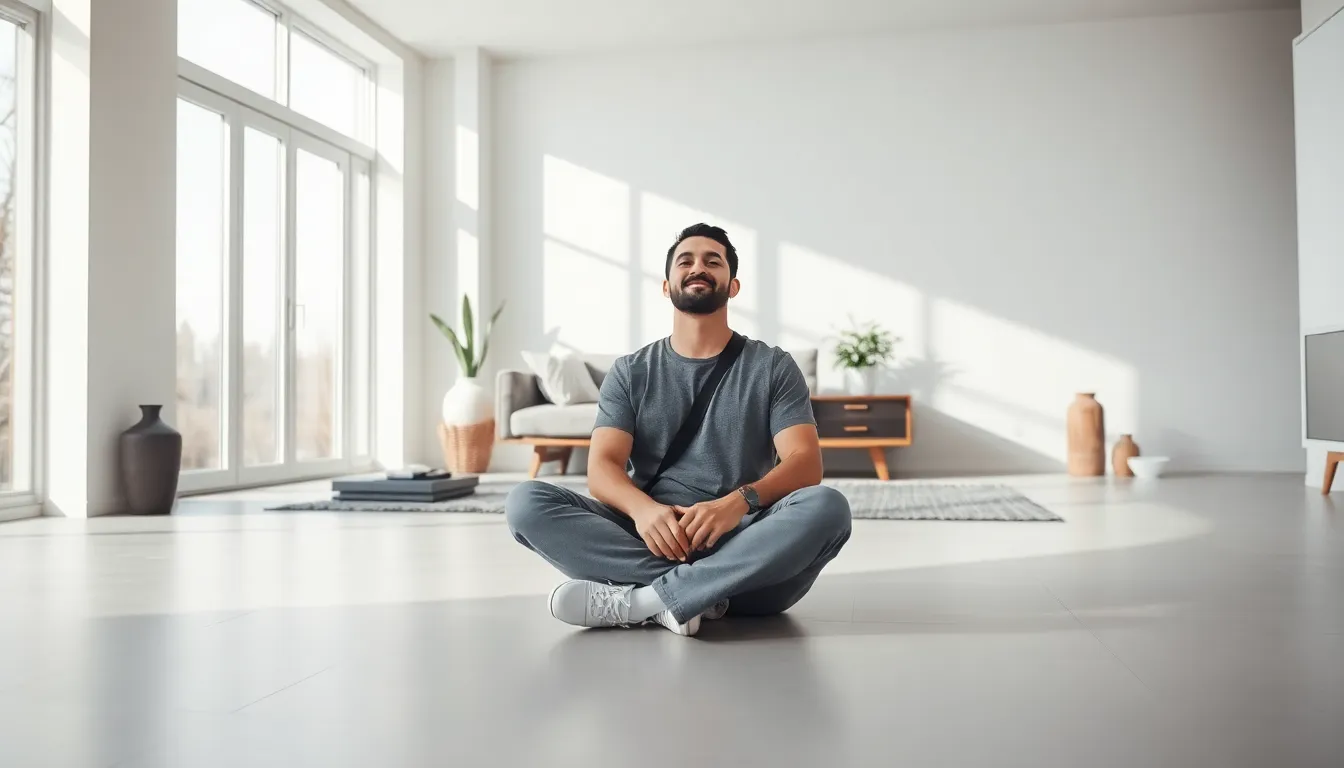
Minimalist individuals embody traits that reflect their commitment to simplicity and intention. They often prioritize their values and seek to eliminate distractions in various aspects of their lives.
Simplicity In Lifestyle
Simplicity defines the lifestyle of a minimalist. They cultivate environments that are free from clutter, creating spaces that promote tranquility. Prioritizing experiences over possessions occurs naturally for these individuals. Mindful decision-making characterizes their approach to both purchases and commitments. Minimalists find beauty in the essential, embracing neat aesthetics that foster clearer thinking. They often implement routines that favor simplicity, choosing activities that enhance well-being and eliminate unnecessary stress.
Focus On Essentials
Essentials hold significant importance for minimalist individuals. They concentrate on what truly enriches their lives, such as personal relationships and meaningful experiences. Adopting a practical mindset allows them to assess their needs critically. Minimalists frequently evaluate the utility of their belongings, ensuring that each item serves a purpose. Time management also plays a critical role as they prioritize activities that align with their core values. Ultimately, they recognize that reducing excess doesn’t diminish life; instead, it amplifies joy, clarity, and fulfillment.
Benefits Of Being A Minimalist
Minimalism offers various benefits that enhance overall well-being and foster an intentional lifestyle. Reduced clutter leads to clearer thoughts and improved mental health.
Mental Clarity
Mental clarity stems from a decluttered environment. Without distractions, individuals can focus on what matters most. Simplifying routines and eliminating excess allows for deeper thinking and creativity. Prioritizing essential tasks becomes easier, improving overall productivity. Minimalists often find that reducing choices decreases decision fatigue, making it simpler to navigate daily life. A clear mental space leads to increased peace and fosters an atmosphere conducive to growth.
Environmental Impact
Minimalism contributes significantly to a healthier environment. Reducing consumption limits waste and lessens the burden on natural resources. When individuals select quality over quantity, they promote sustainable practices that minimize environmental harm. Choosing to purchase fewer items means generating less waste, which can positively affect landfills. Advocating for eco-friendly products encourages sustainable manufacturing processes. Each minimalist choice helps create a more sustainable world, reinforcing the connection between personal lifestyle and global impact.
How To Embrace Minimalism
Embracing minimalism involves intentional actions and a committed mindset. Practical steps support individuals in this journey toward simplicity.
Practical Tips For Decluttering
Start by assessing belongings room by room. Each space benefits from setting specific decluttering goals. Identify items that hold genuine value or utility. Discard duplicates, items not used within the past year, and anything that doesn’t inspire joy. Create a designated space for essentials and donate or sell what remains. Incorporate a regular decluttering schedule to maintain a clutter-free environment. An overall approach enhances living spaces and promotes mental clarity.
Mindset Shifts
Adopting a minimalist mindset requires critical examination of values. Prioritize experiences over material possessions and focus on what genuinely matters. Acknowledging that less often leads to more joy transforms perspective. Embrace gratitude for what one possesses rather than pursuing endless acquisition. Mindfulness about purchases fosters intentional decision-making and encourages individuals to pause before acquiring new items. Ultimately, shifting to a minimalist mindset empowers individuals to live purposefully and authentically.
Common Misconceptions About Minimalism
Minimalism often gets confused with extreme frugality. Many believe that minimalists live in emptiness, devoid of any belongings. This misunderstanding overlooks the core philosophy: minimalism focuses on quality over quantity.
Some think minimalists cannot own anything luxurious or comfortable. In reality, minimalist individuals can invest in high-quality items that enhance their quality of life, prioritizing their needs and desires. Affording oneself joy through careful purchasing is key.
Another common myth claims that minimalism equates to an ascetic lifestyle. Minimalists choose to let go of excess rather than abandon all comforts. They may keep items that spark joy while eliminating distractions and unnecessary clutter.
Many perceive minimalism as a one-time event, a quick decluttering session. Emphasizing intentional living, minimalism requires an ongoing commitment to assess and reassess possessions and priorities regularly.
Individuals might also assume minimalists are unorganized or disheveled. When understood correctly, minimalists cultivate organized spaces, where every item has its purpose. Such environments create mental clarity and foster creativity.
Lastly, some believe minimalism is only suitable for certain lifestyle choices or income levels. In truth, minimalism is adaptable and can fit various circumstances. Practicing minimalism can bring joy and fulfillment regardless of financial status or personal situation.
Embracing minimalism offers a pathway to a more intentional and fulfilling life. It encourages individuals to focus on what truly matters while reducing distractions and clutter. By prioritizing experiences and meaningful relationships over material possessions, minimalists create environments that foster mental clarity and personal growth.
This lifestyle isn’t just about owning less; it’s about living more purposefully. With a commitment to simplicity and mindful decision-making, minimalists can enjoy enhanced well-being and a deeper connection to their values. Adopting minimalism can lead to a more sustainable and joyful existence, inviting anyone to explore the transformative power of living with less.